Hey guys, if you’re working on a 3110 Motor, whether you’re a seasoned mechanic, a fleet manager, or just someone who’s got a rig that’s been running a while, you know coolant maintenance isn’t something to sleep on. As a supplier who’s dealt with these motors day in and day out, I’ve seen way too many folks skip flushing the coolant and end up with overheating issues, corroded parts, and repairs that cost way more than a simple flush would. Today, I’m breaking down exactly how to flush the coolant on a 3110 Motor—no fancy tools, no confusing steps, just what works because we’ve tested this on hundreds of these engines. 3110 Motor

First, let’s cut to why flushing coolant matters for a 3110 specifically. This motor’s got a tight, compact cooling system designed to run at a consistent temp, and over time, old coolant turns acidic, picks up rust and sediment from the block, the radiator, and the water pump. That gunk clogs small passages, so the engine can’t shed heat, which leads to blown head gaskets, warped cylinder heads, or even a seized motor. We’ve had customers come to us with replacement motors because they ignored flush schedules—total waste, right? For a 3110, we recommend flushing every 2 years or 30,000 miles, whichever comes first, so mark that on your calendar.
Now, what you’ll need before you start. This isn’t a long list, I promise. You’ll need: a new jug of 50/50 premixed coolant (we swear by the spec that’s made for 3110s—just ask your supplier, they’ll have the right stuff), a set of wrenches (13mm and 15mm work for the drain plugs on most models), a large drain pan (at least 5 gallons, because that’s how much coolant holds), a funnel, a pair of gloves (coolant’s toxic, don’t skip this), and a garden hose with a spray nozzle that can run steady low pressure. Also, make sure the motor’s cold—super important, you don’t want to burn yourself on hot coolant or a hot block.
Let’s walk through the steps, one by one, no skipping. First, locate the drain plugs. On the 3110, there are two drain plugs: one on the bottom of the radiator, and one on the side of the engine block, low down on the passenger side. Prop the hood, find the radiator—it’s that big plastic or metal unit in front of the motor. The drain plug on the radiator is usually a small, bolt-style plug right at the bottom corner. The block drain is a little tricky to spot, but it’s on the side, about halfway up the lower end, easy to reach once you get your hand in there. Slip your drain pan under both, so when you loosen the plugs, all the old coolant drains into it.
Next, loosen those plugs. Don’t unscrew them all the way yet—just loosen them until you hear a hissing sound, then let gravity do its thing. Wait 10 minutes, let all the old coolant flow out. While you’re waiting, go pop the radiator cap—wait, only when it’s cold, remember? That releases any pressure built up in the system, so the coolant drains faster. If you leave the cap on, you’ll get a slow dribble instead of a full drain. Once the coolant stops flowing from both plugs, go ahead and unscrew them the rest of the way, just to make sure no leftover gunk is trapped. Let that sit another 5 minutes.
Now, it’s time to flush the system out with water. Tighten the block drain plug first, then hook up your garden hose to the radiator’s overflow tube—wait, no, actually, look for the small hose that runs into the top of the radiator, the one that’s labeled “overflow” sometimes. Detach that hose from the radiator end, stick the other end into your drain pan, then turn the garden hose on low pressure. You don’t want high pressure, that can blow out seals or push gunk into parts you don’t want it. Let the water run through the radiator, through the block, and out the open block drain. Keep an eye on the water coming out—when it runs clear, no more rusty brown or murky stuff, you’re done flushing with water. That usually takes 15-20 minutes, don’t rush it.
Once the water runs clear, turn off the hose, tighten the block drain plug back up, then fill the radiator with coolant. Use the premixed stuff, don’t mix water and concentrate yourself unless you know exactly the ratio—premixed is way easier and less likely to mess up the cooling spec for the 3110. Fill it up to the “full cold” line on the radiator tank, then put the radiator cap back on. Now, start the motor and let it idle for 10 minutes. Wait, keep the radiator cap off while it idles—you want to see if any air bubbles come up. Air pockets are a big problem, they cause overheating even if you’ve got enough coolant. If you see bubbles, wait a minute, then turn the motor off, let it cool a bit, top up the coolant, and repeat until no more bubbles show.
After that, shut the motor off, let it cool completely (at least an hour), then check the coolant level again. Top it off to the full cold line, and you’re done. Wait, one more thing—don’t toss the old coolant, it’s hazardous, take it to a recycling center that accepts automotive fluids. That’s a quick tip to keep the planet happy too.
Now, common mistakes I see folks make with the 3110. First, using the wrong coolant. This motor requires a specific ethylene glycol formula, not the generic stuff from the auto parts store. Using the wrong coolant can cause corrosion way faster, so just ask your supplier for the 3110-specific blend, it’s made to work with the motor’s aluminum parts and sealing components. Second, not draining the block. A lot of people only drain the radiator, leaving old coolant in the block, which means half the system is still full of gunk. Third, overfilling or underfilling. If you overfill, coolant will get pushed out when the motor warms up, which is messy and wastes fluid. If you underfill, air gets trapped, leading to overheating. Fourth, flushing too often or too rarely. More than every 2 years is overkill, less than that is asking for trouble—stick to the schedule.
As someone who supplies 3110 Motors, I can tell you that proper coolant maintenance is one of the easiest ways to extend the life of your motor by years. We’ve tracked motors that get regular coolant flushes vs. those that don’t—on average, the flushed ones run 30% longer before needing major repairs. That’s a big difference, right? I’ve had customers come back to us saying they saved thousands in repairs just by following this simple flush routine.
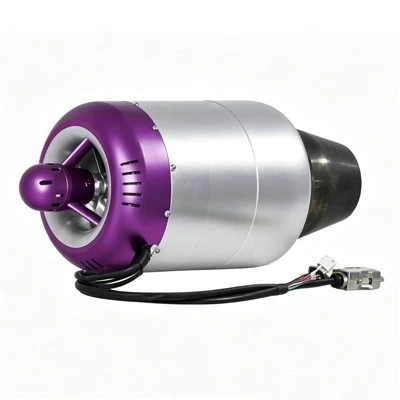
If you’re looking for a reliable 3110 Motor, or if you have questions about coolant specs, maintenance, or anything else related to the 3110, hit us up to talk sourcing and get the parts or motors you need. We’re not just suppliers, we’re folks who work with these motors every day, so we can help you get exactly what’s right for your rig. Whether you’re replacing a worn motor or just need replacement parts, we’ve got you covered.
900MHz Module REFERENCES
- Automotive Engine Cooling System Maintenance Manual, SAE International, 2022
- Cummins 3110 Series Operation and Maintenance Guide, Cummins Inc., 2021
- ASME Cooling System Design Guidelines for Heavy-Duty Diesel Engines, American Society of Mechanical Engineers, 2020
Xpert Intelligent Equipment Co., Ltd.
Xpert Intelligent Equipment Co., Ltd. is one of the most experienced 3110 motor manufacturers and suppliers in China, also supports customized service. Please feel free to wholesale bulk discount 3110 motor in stock here from our factory. Quality products and reasonable price are available.
Address: Building 3, No.65 Longhu Road, Longdong Community, Baolong Street, Longgang District, Shenzhen
E-mail: winnie@xpfpv.com
WebSite: https://www.xpfpv.com/
