If you’ve ever worked on a retaining wall, stream restoration, or any outdoor project that needs solid, flexible structure, you’ve probably heard of gabion mesh. But if you’re new to this stuff, you might be staring at two common types—welded and woven—and wondering which one to grab. I’ve been selling welded gabion mesh panels for over 10 years now, and I hear this question all the time. Most people think they’re basically the same, but trust me, the difference between welded and woven gabion mesh is huge. It’s not just how they’re made; it’s how they perform, where you use them, and even how much work they are to install. Let me break this down like I would to a new contractor or a landscaper who’s never dealt with gabions before. Welded Gabion Mesh Panels
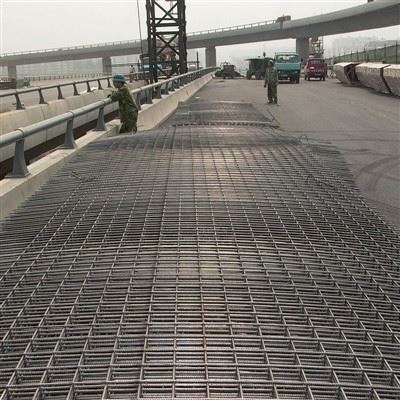
First, let’s start with how each one is actually built, because that’s where the whole distinction starts. Woven gabion mesh is exactly what it sounds like: you take individual steel wires, twist them together in a crisscross pattern, like a big metal basket weave. The gaps between the wires are uniform, and the way they’re twisted means the mesh can stretch a little if something pushes on it. I’ve held woven panels that feel almost like a flexible fabric, especially before they’re filled with rock. Welded gabion mesh, on the other hand, is made by welding steel wires together at every single intersection. No twisting, just a solid weld that locks the wires in place. So right out of the box, a welded panel feels stiffer, more rigid, like a big metal sheet that holds its shape without flopping around. That’s not a small difference when you’re moving them to a job site.
Let’s talk about strength first, because that’s probably the biggest concern for anyone building something that has to last. Woven gabion mesh’s strength comes from the twisted joints, right? If a woven wire breaks, the whole row next to it can start to unravel, like when a sweater gets a hole and pulls. I’ve seen that happen on old stream bank projects where the woven mesh got nicked by a rock during installation. It took a whole section of the wall with it. Welded gabion mesh is different—each joint is a solid weld, so even if one wire gets damaged, the rest of the panel stays put. That rigidity also means welded panels hold their shape way better when they’re stacked. If you’re building a retaining wall that’s going to hold back soil for years, that consistent shape matters way more than you think. Woven mesh can shift a little over time as the rock settles, leading to a wavy wall instead of the straight, solid line you wanted.
Next, flexibility. Wait, I just said welded is stiffer, but flexibility isn’t always a bad thing. Woven gabion mesh is great for curved projects, like stream restoration or erosion control along a river bend. The twistable wire lets you bend it to follow the curve of the bank, so you don’t have to cut a bunch of pieces to fit. I had a customer last year who was working on a small creek in his backyard, and he went with woven because he could shape it to fit the uneven bank without extra work. But that flexibility is also a downside if you’re building a vertical wall. If you try to bend a welded panel, it’s not impossible, but it takes way more force, and you might end up with a weak spot if you kink it wrong. So for straight, vertical applications, welded panels are way easier to work with because they don’t move out of shape while you’re stacking them.
Then there’s the issue of durability against the elements, which is make-or-break for outdoor stuff. Both types are usually galvanized to resist rust, but how they’re made affects that too. Woven mesh has those twisted joints, which can have tiny gaps in the galvanization over time, especially if the wire is twisted tight. Moisture can get in there, and rust can start from the inside out. Welded mesh has a smoother surface at the weld points because the welding process melts a little of the galvanization, but wait—don’t let that scare you. Most good welded gabion suppliers (that’s me, by the way) add a second coating after welding, like a PVC wrap, to cover that spot. I’ve had some panels out in a coastal area for 8 years now, and the welded ones still look almost new, while a nearby woven wall has small rust spots starting at the twisted joints. That’s not to say woven is bad for all places—just not super harsh environments, like near the ocean or in areas with lots of road salt in the winter.
Installation time is another big one, especially if you’re on a tight schedule. Let’s be real, no one wants to spend extra hours fighting with mesh that won’t stay straight. Welded gabion panels come pre-made, flat, right from the factory. You can stack them, bolt the edges together, and they’re ready to fill with rock in minutes. I had a commercial contractor tell me last month that using welded panels cut his installation time by almost 30% on a 200-foot retaining wall. Woven mesh, though, you have to connect the edges as you go, and you have to make sure each twist is tight so it doesn’t come undone when you fill it. It’s slower, and if you’re working in hot sun, those twisted joints can be a pain on your hands. That’s not to say woven is impossible to install—just not as quick if you’re doing a big project.
Wait, let’s talk about cost, because that’s a question everyone asks. Woven gabion mesh is usually cheaper upfront, right? Because it’s simpler to make, just twisting wires instead of welding every joint. But I always tell people to look at the long-term cost, not just the initial price. If you buy cheap woven mesh for a wall that’s supposed to last 15 years, and it starts unraveling in 5, you’re going to have to redo it. Welded might cost a little more at first, but it lasts longer, needs less maintenance, and saves you time on installation. I see too many small landscapers go for the woven because it’s cheaper, then come back to me a few years later asking for welded to fix the mess. It’s not that woven is a bad product—it’s just for different jobs.
Let’s clarify which one is for which, because that’s where most people mix up. Woven gabion is perfect for: stream and river bank stabilization, curved erosion control structures, small backyard projects where you need flexibility, or if you’re on a super tight budget and don’t need a super heavy-duty wall. Welded gabion mesh panels are for: vertical retaining walls (commercial or residential), projects that need straight, consistent shape, harsh environments (coastal, road salt areas), or any job where you need it to last 10+ years with minimal upkeep. I even used welded for a project last year where we had to build a wall around a parking lot that gets snow plowed every winter—road salt would have eaten through woven mesh fast, but the welded with PVC coating held up.
A common myth I hear a lot: people think welded is only for heavy-duty big jobs, and woven is only small stuff. That’s not true. I’ve had a residential customer use welded for a small retaining wall in his front yard because he didn’t want it to shift when he planted a big flower bed on top. And I’ve had a city park use woven for a curved embankment next to a playground, because they needed something that would follow the natural shape of the ground without cutting a bunch of custom pieces. It really comes down to your specific project, not just size.
Another thing to consider: the size of the rock you’re using. Woven gabion has smaller gaps between the wires, right? Because the twist is tight, so you can use smaller rock, like 3 to 6 inch stones. Welded mesh has a bit bigger gaps, usually 4 to 8 inches, so you need slightly larger rock. If you try to use too small rock in welded, it will fall through the gaps. I always tell customers to double check the gap size of the mesh before buying, because that’s a quick way to mess up their project. I include a size guide with every order of my welded panels, so they don’t have to guess.
Wait, let’s get real for a second. I’m not here to push welded gabion on everyone. If you’re doing a small, curved project in a backyard, and you don’t want to spend too much, woven is a great choice. But if you want something that’s easy to install, holds its shape, and lasts for decades, welded is the way to go. I’ve been in this business long enough to see people make the wrong choice and regret it. Last year, a guy came to me after he tried to build a retaining wall with woven mesh. He said it kept sagging, and after a month, a big section fell because the twisted joint unraveled. He ended up redoing it all with my welded panels, and now he’s recommending me to all his neighbors. That’s the kind of thing that makes me proud of my work.
So, to wrap this up: the main differences boil down to build, strength, shape, flexibility, durability, and how easy it is to install. Woven is twisted, flexible, good for curves and budget small projects. Welded is welded, rigid, holds shape better, stronger, great for straight walls and harsh environments.
Now, if you’re not sure which one you need, or you’re ready to order some welded gabion mesh panels for your next project, just reach out to me. I can walk you through what size and type you need, answer any questions, and make sure you get the right product for your job. Don’t guess on this—gabion walls are a big investment, and getting the right mesh will save you a lot of headaches down the line.
Barbecue Grill Mesh References:
- Gabion Wall Design and Construction Guidelines, US Department of Transportation Federal Highway Administration, 2019
- Geosynthetics and Gabion Structures for Erosion Control, International Erosion Control Association, 2021
- Galvanized Steel Wire Products for Construction, Steel Manufacturers Association, 2020
- Comparison of Welded vs Woven Gabion Mesh Performance, Journal of Construction Materials, 2022
Anping County Nuocheng Wire Mesh Co., Ltd.
As one of the most professional welded gabion mesh panels manufacturers and suppliers in China, we also support customized service and OEM service. Please feel free to buy high quality welded gabion mesh panels for sale here from our factory. For price consultation, contact us.
Address: 100 meters southeast of Beimanzi Village, Dahezhuang Township, Anping County, Hengshui City, Hebei Province, China
E-mail: lixuhao0888@gmail.com
WebSite: https://www.ncwiremesh.com/
