If you’ve worked in quality assurance for any length of time, you know an audit isn’t just a checkbox on a compliance form. It’s a deep dive into every part of your operation: how you handle nonconforming parts, train your frontline staff, track corrective actions, and uphold the standards your customers trust. For decades, almost all of these audits happened in person. A team of auditors would fly to your facility, spend three days walking the floor, interviewing operators, and sifting through documentation. It was thorough, predictable, and often a logistical nightmare for both sides. Then, around 2020, everything shifted. Remote audits stopped being a nice-to-have and became a necessity. Now, years later, they’re a permanent option—and one that many quality managers are still debating. As someone who runs a quality system audit supplier, I’ve sat through dozens of conversations about this exact tradeoff, and the debate rarely feels black and white. Let’s break down the pros and cons of remote quality system audits, not as industry jargon, but as practical realities I’ve seen play out for small manufacturers and global corporations alike. Quality System Audit
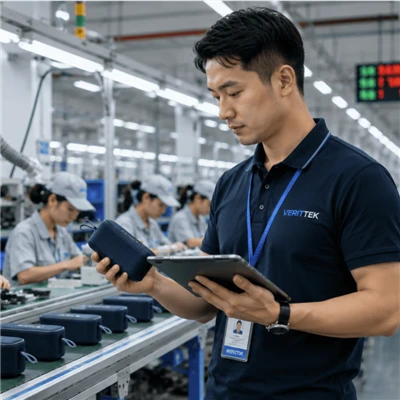
First, let’s talk about the wins. The biggest one, by far, is time and cost. In the old in-person model, a small electronics client of mine would spend 12 hours just coordinating travel for a single audit. Their lead auditor would need to block a full work week for a trip, then another two days to review notes once they were back. The facility manager would have to clear production lines for a day, escort the auditor through three different assembly bays, and pull 15 binders of paperwork. For a mid-sized automotive client on the other side of the country, that bill was well over $15,000 per audit: airfare, hotel, per diem, and lost production time alone. A remote audit cuts all that out completely. Last year, that same small electronics client ran their audit remotely, and the total cost dropped to $3,200. No flights, no hotels, no time spent traveling. The lead auditor was able to join from their home office, and the facility manager spent half a day preparing digital documents and walking the auditor through the floor via a shared tablet. It wasn’t just cheaper—it was faster. The whole process took three days instead of seven, and corrective actions were discussed in the final call rather than waiting for the post-audit debrief.
That speed leads to another big pro: flexibility and accessibility. For global companies, this is a game-changer. A medical device manufacturer with facilities in India, Mexico, and Germany used to have to schedule audits six months in advance to line up auditor travel and production downtime. Now, they can schedule a 90-minute remote check-in for each location on a quarterly basis, catching small gaps before they turn into major compliance issues. Even for small businesses, remote audits remove barriers that never made sense. A specialty metal stamping shop in rural Ohio once told me they could never get an in-person auditor to visit because it was too far off major routes. A remote audit, though, meant they didn’t have to turn away a big customer who required a third-party audit to work together. They used a free video platform, shared their digital work instructions, and even did a live scan of their quality records on the shop’s server. Suddenly, geographic location wasn’t a barrier anymore.
Remote audits also open the door to more consistent documentation. In an in-person audit, an auditor might scribble notes on a pad, then take three weeks to type up their report, and even then, they might misplace a binder or forget a conversation with a line worker. With remote audits, everything is recorded—with proper consent, of course. Every interview, every walkthrough, every review of documents is captured as a digital file. Auditors can pull up screenshots of nonconformance reports right in the call, point to a specific line in a work instruction, and share the report immediately after the audit ends. For clients who need to prove compliance to regulators or customers later, having a digital trail makes it way easier. Last quarter, a client in the aerospace industry was audited by a regulatory body that asked to see evidence of their third-party audit. They pulled up their remote audit recordings, shared the digital report, and avoided a weeks-long delay while they tracked down the old in-person audit files.
But for every pro, there’s a con—and the biggest one for me is the lack of physical context. Let’s be honest: when an auditor walks a floor, they pick up on things that don’t come through a screen. A faded safety sign in the back corner of a warehouse, the way a worker double-checks a measurement one extra time before packaging, the tension in a production line when a machine is down for an hour. Those unspoken, visual cues are what tell you a quality system isn’t just on paper—it’s working in practice. Once, a food manufacturer ran a remote audit and told their auditor everything was fine. But when our team did a follow-up in-person audit, we noticed that the temperature logs for the cold storage were being signed by a night shift worker who wasn’t even on the shift that day. That’s the kind of small, systemic issue that’s easy to miss when you’re looking at a screenshot of a log instead of standing in that cool room, talking to the actual worker. Another time, a medical device client’s remote audit report said their corrective actions were on track, but when we walked through their facility, we found out they’d been putting off fixing a defective equipment part for two months. The worker who would have mentioned that to us in a hallway conversation never brought it up in the formal remote call, not wanting to contradict their manager.
That leads to another con: the challenge of interviewing frontline staff effectively. In an in-person audit, auditors can pull a line worker aside for a quick chat in a quiet corner, no manager around, and get honest feedback. In a remote audit, those interviews almost always happen in a group, or with a manager on the call, or the worker is too nervous to speak up. I’ve had clients tell me that their frontline teams see remote audits as just another Zoom meeting, not the opportunity to speak openly about gaps. Once, a small machinery manufacturer did a remote audit where all their operator interviews went perfectly—until our team showed up in person and a worker pulled us aside to say they’d been told to “stick to the script” during the remote calls. That’s a breakdown in communication that’s almost impossible to spot over a video call, even with the most careful auditor.
Then there’s the technological barrier. Not every facility is set up for high-quality video, shared screens, and secure file transfers. I’ve worked with a dozen small shops that have spotty internet in their back production bays, so when the auditor asks to walk through the warehouse via a shared tablet, the screen freezes every two minutes. Some teams don’t have the skills to pull together digital records, so they end up sending a dozen unorganized PDF files that take hours to sift through. Even bigger companies have run into issues: once, a pharmaceutical client tried a remote audit and had to reschedule twice because their IT team was worried about the security of sharing quality documents over a public video platform. For small businesses, investing in the tools to do a proper remote audit can feel like an extra cost on top of the audit fee, which undermines the original benefit of saving money.
There’s also a lingering question about long-term compliance. A lot of regulators and big customers still prefer in-person audits for high-stakes, annual assessments. The FDA, for example, requires in-person audits for medical device manufacturers applying for new product approvals, because they need to verify physical processes, not just digital records. Even many automotive customers won’t accept a remote audit as a standalone assessment for their suppliers, because they want to see the facility firsthand to ensure it meets their site-specific standards. That means remote audits often can’t fully replace in-person ones—they’re a complementary tool, not a replacement.
So where does that leave quality managers and audit teams? The best approach, I’ve found, is to mix both methods, depending on the goal of the audit. For routine quarterly checks, where you’re verifying that corrective actions are being implemented, remote audits work perfectly. They’re fast, cheap, and easy to schedule. For high-stakes annual audits, or audits for new customers or regulatory requirements, in-person audits still offer the depth and context you can’t get remotely. For example, last year I worked with a consumer goods brand that does remote audits every six months to check in with their contract manufacturers in Asia, and then a full in-person audit once a year to validate the entire operation. That mix gives them the flexibility to catch small issues before they become big problems, and the rigor to keep regulators and customers confident.
But there’s one mistake I see a lot of teams make: writing off remote audits entirely, or embracing them blindly. The key to making remote audits work is adapting the process to the digital environment. For frontline interviews, schedule one-on-one, off-the-record calls—with the client’s approval, so workers feel comfortable speaking honestly. For walkthroughs, use a shared, high-resolution tablet instead of a phone, so you can zoom in on details like equipment labels or safety signs. For documentation, organize files into a secure, shared portal, so you don’t waste time scrolling through unorganized PDFs. Those small adjustments turn a basic Zoom call into a meaningful, effective audit.
At the end of the day, the goal of any quality system audit isn’t to check a box. It’s to make sure your quality system is working, that your products are safe, and that your customers can trust you. Remote audits can do that, but they’re not a perfect fit for every scenario. They save time and money, make audits accessible to more businesses, and leave a clear digital trail. But they miss the physical, human cues that only an in-person visit can pick up, and they come with technological and communication barriers that require work to overcome.
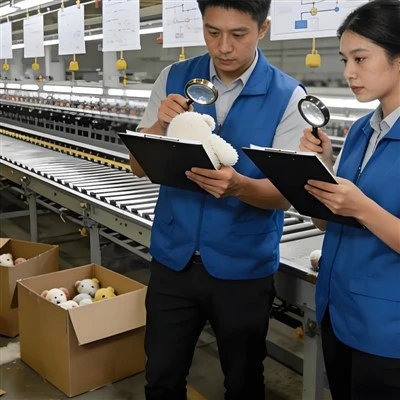
If you’re trying to figure out which approach works for your operation, or if you’re ready to streamline your audit process without sacrificing rigor, I’d be happy to walk through your unique needs. Reach out to discuss how a mixed audit strategy, tailored to your industry and facility, can help you stay compliant, reduce risk, and save time.
Inspection service References
- American Society for Quality (ASQ). (2023). Remote Audits: Best Practices for Ensuring Quality and Compliance. Retrieved from industry guidelines archive
- International Organization for Standardization (ISO). (2022). Guidelines for Remote Audits of Management Systems. ISO 19011:2018 Supplement
- Food and Drug Administration (FDA). (2021). Considerations for Remote Audits of Medical Device Manufacturers. Regulatory Guidance Document
Verittek Standards Co., Ltd.
As a professional quality system audit service provider in China, we help clients improve overall product quality and stability by providing third-party inspection services. If you have any enquiry about cooperation, please feel free to email us.
Address: Room 1002, Building 1, Tian’an Industrial Building, Panyu Energy Saving Technology Park, No.555 North Panyu Avenue, Donghuan Street, Panyu District, Guangzhou City, China.
E-mail: Frank.lee@verittek.com
WebSite: https://www.verittek.com/
