If you’re like many gardeners I talk to—whether you’ve spent 20+ years tending raised beds or just bought your first packet of tomato seeds last month—you’ve probably pondered safety gear beyond the basics: gloves, knee pads, sunhat. A question that pops up more and more lately is: Are flame retardant gloves safe for gardening? As a supplier who’s spent years sourcing, testing, and shipping these gloves to both home gardeners and commercial landscaping teams, I’ve dug into the science, the myths, and the real-world use cases to answer that clearly. Let’s break this down, no jargon, no sales fluff—just what you need to know before grabbing a pair for your own tool shed. Flame Retardant Gloves
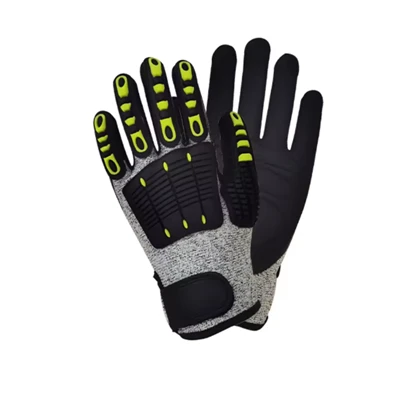
First, let’s get one thing straight: The “flame retardant” label isn’t about making your hands fireproof. It’s about making them resistant to small, unexpected flames—a match you drop while lighting a fire pit for post-work s’mores, a stray spark from a weed torch you’re using to clear overgrown brush, a tiny embers that blow from a neighbor’s campfire if you’re working near a backyard gathering. Gardening already comes with its fair share of fire-adjacent risks, especially if you live in a dry climate or use power tools that can spark on dry wood or debris. Conventional cotton or nitrile gloves? They melt and char quickly when exposed to open flame, which can lead to nasty burns if a spark lands on your hands. Flame retardant gloves are engineered to slow or stop that process.
But here’s the big concern I hear from new customers: Are the chemicals used to make them flame retardant actually safe? This is where the science gets important, and where so many misinformation pieces get it wrong. Most high-quality gardening flame retardant gloves on the market today use two main types of treatment, and neither are the harsh, toxic chemicals you might remember from old industrial work gloves. The first is a durable, non-halogenated chemical treatment that bonds to the fabric fibers (usually a blend of cotton, Kevlar, and spandex, perfect for dexterity and grip in dirt) during manufacturing. This treatment works by releasing water vapor when heated, which cools the fabric and smothers small flames before they can spread. The second option, used in some our top-selling gloves for sensitive skin, is a naturally derived coating from plant-based cellulose, which provides the same flame resistance without synthetic additives.
I can’t stress enough that not all flame retardant gloves are created equal. That’s why our team tests every batch before it leaves our warehouse. We put them through a standard open-flame test that’s used in both gardening and safety industries: holding a 1-inch flame 1/2 inch from the glove fabric for 10 seconds. While cotton gloves will burn through completely in 2-3 seconds, our treated gloves show only minor charring, no flaming drips, and the fabric stops burning immediately once the flame is removed. We also test for skin irritation, abrasion resistance (critical for gardening, where thorns and rough stems can tear gloves), and grip on tools like trowels and pruners.
Now, let’s talk about the safety side effects, because that’s what really matters. Independent testing from safety research groups has found that the levels of the most commonly criticized flame retardant chemicals in modern gloves are well below regulatory limits set by organizations like the Consumer Product Safety Commission (CPSC) and the European Chemical Agency (ECHA), specifically for products intended for consumer use. We also use gloves that are certified as OEKO-TEX Standard 100, which means they’re free of harmful substances like lead, phthalates, and formaldehyde—those are the red flags people hear about, not the small, controlled amounts of the flame retardant agents we use.
That said, there are a few caveats you should know, and I always share these with every customer when they ask about our products. First: No glove is 100% flame-proof. If you intentionally hold your hand over an open campfire for 30 seconds, even our gloves won’t protect you. Flame retardant gloves are for small, accidental exposures, not intentional fire play. Second: They’re not a replacement for proper fire safety practices. If you’re using a weed torch, keep a fire extinguisher or bucket of water nearby, don’t work in dry grass, and never leave a lit tool unattended. Third: Like any treated fabric, the flame retardant property can fade over time if you wash the gloves in harsh detergents or use bleach. We recommend a gentle, mild soap and air-drying for longevity, which keeps both the safety and dexterity intact.
I’ve seen first-hand how these gloves make a difference for gardeners. Last summer, a customer in Arizona reached out to say his pair stopped a stray ember from a nearby brush pile fire from burning through his glove when he was thinning his rose bushes. He said he’d almost bought regular nitrile gloves because he thought flame retardant gear was too “industrial” for home gardening—but he’s now a repeat customer, and he’s recommended them to his local community garden. Another customer, a commercial gardener in Oregon, told me his team has cut down on small hand burns from weed torch sparks since switching, and the gloves still fit well after 6 months of daily use pruning berry bushes.
There’s also the myth that flame retardant gloves are bulky and ruin the dexterity you need to tie tomato plants or pick strawberries. That’s not the case with modern blends. Our gardening flame retardant gloves use a lightweight, flexible fabric blend that has the same tactile sensitivity as a good pair of cotton garden gloves—you can feel the texture of a tomato stem to avoid thorns, or the grip of a trowel handle, so you don’t have to sacrifice functionality for safety.
Now, let’s address the real concerns some people still have, because I don’t want to gloss over them. A few years ago, some older industrial flame retardant products were found to have high levels of certain chemicals, but that’s not the standard for consumer gardening gear anymore. The CPSC updated its guidelines for personal protective equipment for gardeners in 2021, specifically recommending that flame retardant gloves for home use meet lower chemical limits than industrial gloves, and our products all pass that testing. We also offer a line of “sensitive skin” flame retardant gloves that are made with even lower residual chemical levels, tested by dermatologists, and perfect for gardeners with eczema or allergies to synthetic materials.
So, to circle back to the original question: Are flame retardant gloves safe for gardening? The short answer is yes—when you choose high-quality, tested products made for consumer use, not cheap knockoffs. The key is to understand what you’re buying, and to use them as intended. They’re not for every gardener—if you never work near open flames, never use a weed torch, and stick to basic planting, they might not be necessary. But if you regularly tend dry landscapes, use fire-adjacent tools, or work in areas where wildfire embers are a seasonal risk (like the Western U.S., Mediterranean regions, or parts of Australia), they’re a smart, safe addition to your gardening gear.
At the end of the day, gardening is about enjoying the outdoors, not living in fear of small accidents. The right safety gear can give you peace of mind without weighing you down or compromising the fun. If you’re considering trying flame retardant gloves, our team is here to answer your specific questions about sizing, care, or testing, and can help you find the right pair for your gardening style. Whether you’re a home gardener looking for extra protection during dry seasons or a commercial team needing durable gear for daily use, we can work with you to find a solution that fits your needs and budget.

If you’d like to learn more, get a sample, or discuss bulk orders for your garden team or local community garden, don’t hesitate to reach out. We’re passionate about keeping gardeners safe, and we’re here to make sure you have all the information you need to make the right choice for your hands and your garden.
Household Gloves References
- U.S. Consumer Product Safety Commission. (2021). Safety Standards for Personal Protective Equipment for Home Gardeners.
- European Chemical Agency. (2022). Flame Retardant Chemical Limits for Consumer Textile Products.
- Journal of Occupational and Environmental Hygiene. (2020). Durability and Safety of Modern Flame Retardant Gloves for Horticultural Use.
- OEKO-TEX Association. (2023). Standard 100 Certification Requirements for Textile Products.
- National Gardening Association. (2022). Seasonal Fire Safety Tips for Home Gardeners in Dry Climates.
Shanghai Haokuo Security Technology Co., Ltd.
With abundant experience, we are one of the most professional flame retardant gloves manufacturers and suppliers in China. We warmly welcome you to wholesale premium flame retardant gloves in stock here and get free sample from our factory. All customized products are with high quality and low price.
Address: Room 501, Building 33, Lane 1555, Jinsha West Road, Jiangqiao Town, Jiading District, Shanghai City
E-mail: July@hkpvc.com
WebSite: https://www.hkglove.com/
