Hey everyone, Material Cabinet
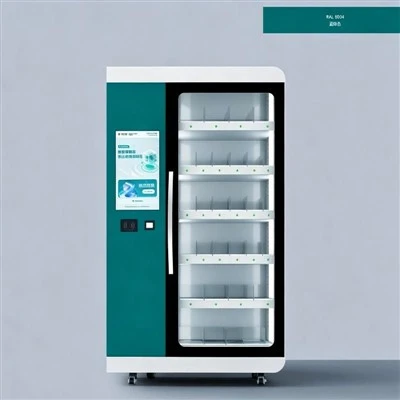
Let’s cut to the chase—if you’re a shop manager, a small manufacturing owner, or even a hobbyist who’s drowning in random fasteners, raw material scraps, and half-used supplies, this one’s for you. I’ve been selling material cabinets for over seven years, and I’ve seen it all: guys digging through a pile of 500 nuts for one that fits their bolt, forgetting they bought a whole roll of aluminum and then ordering another, or wasting an hour rummaging because their “organized” cabinet is just a jumble of mismatched bins and sticky notes that have fallen off. Organizing a material cabinet isn’t just about making it look nice—it’s about saving money, cutting down on downtime, and not losing your mind when you need something last minute. And yeah, as someone who supplies these cabinets, I’ve learned way more from my customers’ mistakes than from any sales manual. So let’s get into the efficient, no-nonsense steps I actually recommend (not the fancy stuff that works only in Pinterest photos).
First off, you need to do a total purge before you even touch a bin or a label. I can’t tell you how many customers call me complaining their cabinet is a mess, and when we show up, half the stuff in there is expired—rusty nails that were bought in 2019, rolls of tape that got sticky from being stored near a heater, fasteners that don’t fit any bolt or part they use regularly. So grab a coffee, block off two hours, and pull everything out. As you go, make three piles: Keep, Toss, and “Wait, what even is this?” For that third pile, don’t just stick it back—set it aside to test in the next week. If you use it, keep it; if it collects dust, toss it. Pro tip from a regular customer who runs a metal fabrication shop: they used to keep every single leftover scrap of metal “just in case,” but after purging, they found they had 12 pieces of 1/4” steel that were too small for any project, and they tossed them—saved 15 minutes a week of digging through them, and even recycled them for extra cash. Also, toss anything damaged, rusted, or expired right here—no “maybe I’ll use it” later, trust me.
Next, group like items together, but not just because they’re both fasteners. This is where most people mess up—they just throw all nuts in one bin, all bolts in another, and wonder why they can’t find a 10mm hex bolt. You need to group them by how you use them, not just their category. Let’s break this down for different types of materials because not every cabinet has the same stuff. If you’re a hardware or general manufacturing shop: split fasteners by size, but also by type—so a bin for 1/4” hex bolts, a separate bin for 1/4” washers (they go together anyway), and not a bin mixed with 3/8” bolts. If you work with raw materials like wood or metal: group them by material type first (aluminum, steel, pine, MDF), then by size and thickness. My woodworking customers love this—they used to mix 1/2” and 3/4” pine, so they’d grab the wrong one for a project and have to cut new, but now they have dedicated sections. Another big one: keep items that get used together in the same spot. Like, if you always use a specific drill bit with a certain screw size, put that drill bit’s case right next to the screw bin. My go-to example is a small auto repair shop I supply cabinets to—they have a section for brake parts, right next to the wrenches and sockets they use for brakes, so their tech doesn’t have to run all over the shop when they’re working on a car. That’s the whole point of grouping efficiently—it cuts down on walking and searching time.
Now, this part is non-negotiable: use the right storage for each item, and don’t overbuy cheap bins. I know, I know—cheap plastic bins from the dollar store are tempting, but they crack after a few months, and the labels fall off. Here’s what actually works, based on what I sell and what my customers swear by. For small, tiny items like nuts, washers, pins, or screws: use small, divided bin inserts—like the ones with 10+ little compartments. Don’t put 100 different types of screws in a single big bin; you’ll never find the one you need. For example, a customer who does electronics assembly uses these divided inserts for their solder tips, heat shrink, and tiny resistors—each compartment is labeled, and they can grab a specific resistor in 2 seconds. For larger items like raw metal bars, lumber, or big tools: use deep drawer cabinets or open shelves with adjustable dividers. Adjustable is key because if you get a shelf and then you get a new 2×4 that’s thicker, you need to move the divider, not buy a whole new cabinet. For heavy stuff, use the lower drawers or lower shelves—common sense, right? I’ve had a customer who kept a 50lb steel bar on the top shelf of their cabinet, and it fell when they reached for something, cracked the shelf, and took out three bins of nails. Oops. Also, label every single bin, drawer, and shelf—use a label maker that prints clear, waterproof labels. Handwriting is fine, but it smudges. A huge mistake I see: people label a bin “fasteners” and wonder why they have to dig. Be specific: “1/4” Hex Bolts (Stainless),” “3/8” Nylon Washers,” “1/2” Pine Planks (4ft Long).” And put the labels on the front, not the top—so when the bin is stacked or in a drawer, you can read it without pulling it out.
Once you’ve got everything grouped and in the right bins, you need a system to maintain it—otherwise, you’ll be back to the mess in a month. This is the part that most people skip, and it’s why cabinets get disorganized fast. First, assign a regular spot for putting stuff back. Have you ever used a screwdriver and set it on the workbench, then forgot where it is? Don’t let that happen with cabinet items. Every time you take something out, you put it back immediately. One of my regular customers has a little sign on their cabinet that says “A place for everything, everything in its place” but they actually enforce it—if an employee leaves a bin out, they have to tidy it before they leave for the day. Second, do a quick weekly check-in. Spend 10 minutes on Friday evening (or whatever slow time you have) to make sure bins aren’t messy, labels are intact, and you can spot when something is running low. This way, you don’t run out of a critical part mid-job. For example, a construction supply customer told me their weekly check-in caught that they were almost out of 3” wood screws, so they ordered a refill, and they never had to pause a deck building job because they ran out. Third, track what you use most. Pay attention to which bins get opened every day, and which are rarely touched. Move the high-use stuff to the easiest-to-reach spots—usually the middle drawers or mid-shelves. The stuff you use once a quarter (like specialty bolts for a rare machine) can go to the bottom or back. It’s like putting your phone in your front pocket, not the back of your purse—you use it more, so you want it accessible.
Wait, also—if you have a lot of material that’s similar but different, like different grades of steel, color-coding is a game-changer. Don’t overdo it, just use colored labels or colored bin lids to tell categories apart. For example, my metalworking customers use red lids for steel, blue for aluminum, green for brass—so at a glance, they can grab the right material without reading every label. It’s a small trick, but it saves so much time when you’re in a rush. And one more thing: avoid overcrowding. That’s a big one I see. When a bin is so full that items are sticking out, it’s impossible to find what you need. If a bin is always overflowing, either split it into two smaller bins or only keep the amount you actually use in a week/month in that bin. Store extra supplies in a separate storage area, not in the cabinet. That way, your cabinet stays functional instead of being a pile of overflowing junk.
Now, let’s talk about mistakes I see all the time that make organizing not work. First, don’t buy a cabinet that’s too small. So many people try to save money and get a tiny cabinet for their materials, then they have to cram everything in, and it’s messy. If you’re ordering a material cabinet from a supplier (hey, that’s me), measure your current stuff before you buy—count how many types of fasteners, how many sizes of lumber, how many tools, and pick a cabinet that gives you 20% extra space. Trust me, that extra space is worth it. Second, don’t skip the purge step. I can’t stress this enough—half the mess is old, unused stuff. Third, don’t mix categories. I once had a customer who had a bin with washers, drill bits, and rubber gaskets. No wonder he couldn’t find anything. Keep screws with screws, bits with bits, gaskets with gaskets.
At the end of the day, organizing a material cabinet efficiently isn’t about being perfect—it’s about making it work for you and your team. It’s about cutting down on time spent searching, less waste from lost or duplicate supplies, and less stress when you’re on a tight deadline. If you’re setting up a new cabinet or revamping your old one, take the time to do it right—you’ll notice the difference within a week.
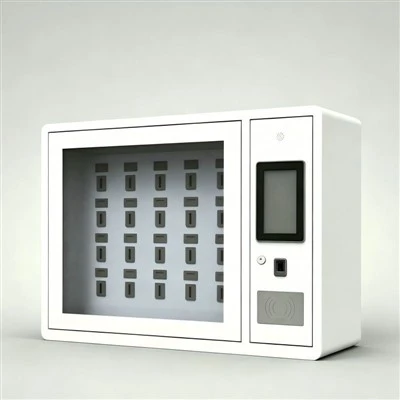
If you’re tired of dealing with a messy material cabinet and want to set up a system that actually fits your work, reach out to us to chat about your needs. We can help you pick the right cabinet, recommend storage solutions that work for your specific materials, and even share more tricks from our customers who’ve nailed this. No pressure, just honest advice to make your shop run smoother.
School Lockers References
- Occupational Safety and Health Administration. (2021). Workspace Organization and Safety in Manufacturing. U.S. Department of Labor.
- Smith, J. (2022). Efficient Storage Solutions for Small Manufacturing Operations. Industrial Supply Journal.
- Green, L. (2023). Lean Organizational Practices for Material Handling. Shop Floor Management Quarterly.
- National Association of Hardware Distributors. (2020). Best Practices for Fastener and Small Parts Storage. Hardware Industry Report.
Hangzhou Dongjie Intelligent Technology Co., Ltd.
Hangzhou Dongjie Intelligent Technology Co., Ltd. is one of the most experienced material cabinet manufacturers and suppliers in China, also supports customized service. Please feel free to wholesale durable material cabinet made in China here from our factory. For quotation, contact us now.
Address: 1st Floor, Building 2, No.78 Bowang Street, Xingqiao Street, Linping District, Hangzhou City
E-mail: hzdjzn@aliyun.com
WebSite: https://www.cndongjiesmart.com/
