If you’ve ever stood in an air conditioning repair shop or asked a tech “how much refrigerant does my AC actually need?” you’ve probably gotten a vague answer—something about “it depends” or “check the unit’s label.” As an AC supplier, I hear this question all the time, from homeowners picking a new unit to small business owners trying to maintain their existing systems. I get it: refrigerant isn’t something most of us mess with regularly, and guessing can lead to big issues—either wasting money on extra refrigerant or not putting enough in, which makes your AC work way harder than it should. Air Conditioner

Let’s start with the basics. Refrigerant is the stuff that makes your AC cool air, right? It absorbs heat from your home’s air and dumps it outside, so without the right amount, the whole cycle breaks. But here’s the thing: there’s no one-size-fits-all number. I’ve seen 1-ton window ACs with 18 ounces of R-32, and 5-ton ducted units with 8 pounds of the same refrigerant. So why the big difference? It all ties back to three main factors: unit size, type of AC, and your space’s specific needs.
First, unit size is the biggest piece of the puzzle. AC size is measured in tons—one ton equals 12,000 BTUs, and that’s basically how much heat the unit can move in an hour. A tiny window unit for a 100 sq ft bedroom might be 0.5 tons, while a whole-house AC for a 2,500 sq ft home is 2 to 5 tons. For a standard split system (the kind with an indoor handler and outdoor condenser, which is what most homes have), the rule of thumb I tell customers is around 2 to 4 ounces of refrigerant per 1,000 BTUs. Wait, let’s do the math: a 1.5-ton unit is 18,000 BTUs, so that’s 36 to 72 ounces? No, hold on—don’t stop at the rule of thumb, because that’s just a starting point. Most of the time, the manufacturer’s label is way more accurate. I’ve sold units where the label says “fill with 3.2 lbs of R-410A,” regardless of the ton, because the coils inside that specific unit are sized just right for that amount. Rushing by the rule of thumb can get you in trouble, especially if the unit is an older model.
Next, the type of AC system matters a lot. Window units are super common for renters or small spaces, and their refrigerant loads are way lower than ducted central ACs. I see window units for 5,000 to 12,000 BTUs usually needing between 12 and 24 ounces of refrigerant, but again, check the label. Then there’s mini-split systems, which are popular for additions or rooms that don’t connect to your main AC. Mini-splits can be ductless, with multiple indoor handlers, so the refrigerant load adds up based on the total BTUs of all the handlers. A 2-zone mini-split might need 4 to 6 pounds, while a 4-zone could be 7 to 9 pounds. Then there are commercial ACs, which are way bigger—like rooftop units for office buildings or server rooms. Those can need 20 pounds or more, and they usually use different refrigerants now, like R-32 or R-454B, which are lower-GWP (global warming potential) than the old R-22. That’s another point: newer refrigerants have different density, so even if two units are the same size, if one uses R-32 and the other uses R-410A, the required amount will be different. R-32 is denser, so you need less of it, which is why you’ll see labels for R-32 with smaller numbers than R-410A for the same size unit.
Now, here’s where most people mess up: guessing the amount when their AC is low. If your AC is leaking refrigerant (which is super common, especially in older units with worn seals), you might be tempted to just top it off without checking the label. Don’t do that. If you add extra refrigerant, the unit’s compressor has to work harder to push the extra fluid through the coils, which can overheat the compressor and shorten its life. I’ve had customers come to me with a brand new AC that died after 18 months because a random tech added 2 extra pounds of refrigerant to fix a leak, and the compressor burned out. On the flip side, if you don’t add enough, the heat exchange is inefficient, so your AC runs all day but never cools your space, and you’re wasting money on higher energy bills. A properly charged AC is actually 15-20% more efficient than one with too much or too little refrigerant— that’s a huge difference on your electric bill, especially in the summer.
So how do you find the exact amount your AC needs? Step one: look at the unit’s data plate, usually on the outdoor condenser. It’s a metal sticker with the model number, serial number, and a line that says “refrigerant charge” or “amount of refrigerant needed.” That number is specific to that exact unit, because the coils, compressor size, and lineset length (wait, lineset length! I almost forgot that one) all matter. Lineset length is how long the copper lines are that connect the indoor and outdoor units. If you have a standard 15-foot lineset, that’s what the manufacturer designed for, but if you extend it to 25 feet, you need to add extra refrigerant to fill the extra lines. For most systems, you add about 0.6 ounces of refrigerant per foot of extra line. I’ve had a customer with a 3-ton mini-split where the installer ran 30 feet of line instead of the recommended 15, and the tech added 9 extra ounces, which fixed the cooling issue. If they’d skipped that, the AC would have run fine but not kept up on hot days.
Older units are a different story, because a lot of the R-22 refrigerant (the old stuff most pre-2010 units used) is phased out now. If you have a 10-year-old AC that’s leaking R-22, you might not find a label with the exact charge, because manufacturers stopped printing R-22 specs once the phase-out started. In that case, you can do the math based on the tonnage: R-22 usually needs about 3 to 4 ounces per 1,000 BTU, but it’s always better to hire a tech to do a proper charge, not just guess.
Another common mistake: using the wrong type of refrigerant. Right now, in the US, R-410A is still common in mid-sized units, but R-32 and R-454B are becoming standard for new ACs because they’re better for the environment. If you add the wrong refrigerant—say, R-410A to a unit that uses R-32—it can cause pressure issues and damage the compressor. That’s why I always tell customers: never top off your own refrigerant, even if you think you know the amount. It’s not as simple as pouring a can in—there are pressure checks, temperature tests, and line length adjustments that matter.
Now, let’s talk about when you might actually need to add refrigerant. If your AC is blowing warm air, making weird noises, or your energy bill jumped out of nowhere, that’s a sign it’s low, but it’s almost always because of a leak, not because refrigerant “burns up” or runs out on its own. Refrigerant is a closed loop system—once it’s charged correctly, it shouldn’t need more unless there’s a leak. So if you’re adding refrigerant regularly, you need to find and fix the leak first. I had a customer last summer who added a pound of R-410A every 6 weeks for a year, and when we checked, the line had a tiny pinhole leak from being rubbed against a metal pipe. We fixed the leak, topped it off once, and it’s been running perfect since. That’s way cheaper than constantly buying refrigerant.
As an AC supplier, I work with a lot of homeowners and installers, and one thing I always stress is that choosing the right refrigerant amount isn’t just a technical detail—it saves you money and keeps your AC running longer. A properly charged unit can last 15-20 years, while one with bad charge might die in 8-10 years. And with energy costs going up, that efficiency boost is a big deal. Even if you’re buying a new AC, don’t just pick the biggest unit you can afford—get one that’s sized right, and make sure you follow the manufacturer’s charge instructions. If you’re working with an installer, ask them to show you the unit’s label and tell you how much they’re charging. A good installer won’t just guess—they’ll measure the line length, check the pressure, and make sure the charge is spot on.
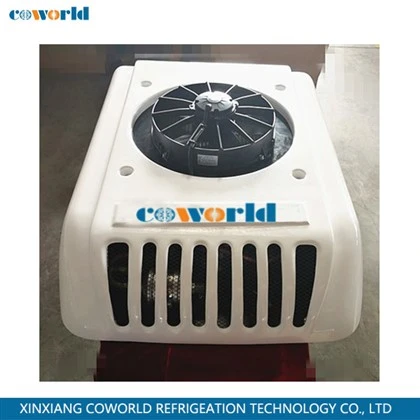
If you’re in the market for a new AC, or you need to service your existing one, and you’re not sure about the refrigerant amount, don’t hesitate to reach out. I’ve helped dozens of customers figure out their charge needs, and I can point you to trusted techs who know how to do it right. Whether you have a window unit, a mini-split, or a whole-house system, getting the refrigerant amount right is the key to keeping your AC cool, efficient, and lasting for years.
Air Conditioner References
- Air-Conditioning, Heating, and Refrigeration Institute (AHRI)
- U.S. Environmental Protection Agency (EPA) Refrigerant Management Program
- Department of Energy (DOE) Energy Efficiency Guidelines for Residential Air Conditioners
Xinxiang Coworld Refrigeration Technology Co., Ltd.
As one of the most professional air conditioner manufacturers and suppliers in China, our products have good reputation in the market. We warmly welcome you to buy cheap air conditioner for sale here from our factory. If you have any enquiry about cooperation, please feel free to email us.
Address: B103 ROOM, GT CITY, NO.199 ZHENGZHONG ROAD, HIGH TECH ZONE, XINXIANG CITY, HENAN PROVINCE, CHINA
E-mail: coworldfrio@hotmail.com
WebSite: https://www.coworldthermo.com/
