If you’ve ever shopped for a bedroom headboard, you’ve probably noticed the huge range of materials on offer—from solid wood and leather to fabric, foam, and even reclaimed textiles. As someone who’s spent the last 12 years supplying upholstery sponge to furniture makers and interior designers across North America, one question comes up more often than I’d expect: Can upholstery sponge actually be used for headboards? The short answer is yes, but there’s a lot more to it than just grabbing a random piece of packing foam and gluing it to a board. Today, I’m breaking down why upholstery sponge works for headboards, what makes it different from other foams, and the right way to use it to get a piece that’s both stylish and durable. Upholstery Sponge
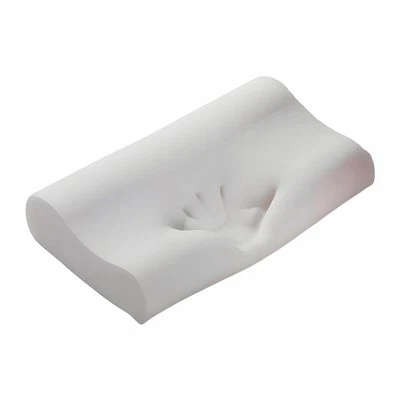
First, let’s get one thing straight: not all foam is created equal. A lot of people mix up upholstery sponge with the foam you get in a cheap couch cushion or the packing foam you use to wrap a mug for shipping. Packing foam is thin, brittle, and designed only to protect items during transport—it crumbles after a few years of use, and it can’t stand up to regular leaning or bumping. Low-density couch foam, on the other hand, starts to sag within a year or two, especially if it’s exposed to moisture or heavy use. Upholstery sponge, by contrast, is a high-density, closed or semi-open cell foam specifically engineered for furniture that gets regular, direct contact. It’s made with consistent cell structure, so it compresses evenly, bounces back quickly, and doesn’t break down easily when exposed to the kind of wear a headboard gets—think you leaning against it while reading in bed, your kids bumping it while running around the room, or even the occasional spill from a glass of water.
This durability is why so many of our clients—from small custom furniture shops to large chain bedroom brands—swear by upholstery sponge for headboards. A headboard isn’t a decorative afterthought; it’s a functional piece that’s used daily, so it needs material that can handle that use without looking worn after a couple of years. Upholstery sponge’s density (most of the ones we supply are between 30 and 45 kg/m³, a standard for furniture-grade foam) means it has enough structural support to hold its shape, even when you’re leaning against it for hours, but it’s soft enough to be comfortable. That balance of support and comfort is the sweet spot for headboards, which need to be both aesthetically pleasing and practical.
Another big plus for upholstery sponge is its versatility. Headboards come in every shape and size these days—tall and rectangular, curved, scalloped, or even asymmetrical. Upholstery sponge can be cut into almost any shape with basic tools, like a hot wire cutter or a good pair of scissors. Unlike solid wood, which requires precision cutting and specialized equipment to shape, or leather, which is hard to manipulate into curves, foam can be molded to fit whatever design you have in mind. For example, a customer of ours in Portland makes custom scalloped headboards for small boutique hotels—they start with a block of upholstery sponge, cut out the scallops, cover it with a layer of batting, and then upholster it with whatever fabric the client wants. The result is a headboard that looks elegant, is comfortable to lean against, and costs less than a solid wood or leather alternative.
But here’s where things get tricky: if you want your upholstery sponge headboard to last, you have to use the right type of sponge and prep it correctly. Not all upholstery sponge is the same either. There are different grades, and some are better for headboards than others. For example, we supply two main types of furniture-grade upholstery sponge: high-resilience (HR) foam and conventional polyurethane foam. HR foam is more durable, has better bounce back, and is more resistant to sagging, which makes it ideal for headboards that get heavy use. Conventional polyurethane foam works for lighter-use headboards, like those in a guest bedroom that’s only used a few times a year, but it’s not as long-lasting as HR foam.
Then there’s the matter of moisture. Upholstery sponge is porous, which means it can absorb water if it gets spilled on. If you don’t treat it properly, that water can lead to mold, mildew, or even the foam breaking down over time. That’s why it’s important to cover the sponge with a layer of dense batting (usually polyester batting) before upholstering it. The batting acts as a barrier, absorbs any minor spills, and also creates a smooth surface for the fabric to lay over, preventing lumps and bumps. We always advise our clients to also use a water-repellent spray on the final upholstery fabric, which adds an extra layer of protection against spills and everyday moisture.
I’ve also seen a lot of common mistakes people make when using upholstery sponge for headboards, so let’s talk about those. The first mistake is buying foam that’s too thin. A headboard that’s only 2 inches thick won’t be comfortable to lean against—you’ll feel the hard board underneath, and it won’t have the right structural support. Most furniture makers recommend a minimum of 4 inches of upholstery sponge for standard size headboards (twin, full, queen), and 5 to 6 inches for king or California king headboards, since those are larger and need more thickness to maintain their shape. The second mistake is using the wrong adhesive. You can’t just use a regular craft glue to attach the foam to the wood board behind the headboard—it won’t hold up over time, and the foam will start to peel away. We recommend using a high-strength, water-based contact adhesive designed specifically for foam and fabric, which bonds securely and is flexible enough to move with the foam without cracking.
Another common misconception is that upholstery sponge is only for budget headboards. That’s not true at all. Some of the most high-end custom headboards I’ve seen use thick HR upholstery sponge covered in top-grain leather. The sponge provides the soft, padded feel that makes a leather headboard comfortable, without the cost of other padding materials like down or feathers. Down is soft, but it compresses over time and needs to be fluffed regularly, while upholstery sponge stays consistent for years, even with daily use. So it’s actually a cost-effective option in the long run, because you don’t have to replace the headboard every few years when the padding wears out.
I’ve been in the upholstery sponge industry for over a decade, and I’ve worked with hundreds of clients who have switched to using our foam for headboards, and almost all of them come back saying it’s one of the best decisions they made for their products. Last year, I talked to a furniture maker in Chicago who used to use down and feather padding for their headboards, but switched to our 40 kg/m³ HR upholstery sponge. They told me their customer satisfaction ratings went up 25% because the headboards didn’t sag after the first year, and their warranty claims dropped because the foam didn’t peel or break down like the old padding. One of their customers even sent a photo of their headboard after 7 years of use, and it still looked exactly like the day it was delivered—no sagging, no lumps, just the same soft, padded feel.
Of course, like any material, upholstery sponge isn’t perfect. If you’re looking for a solid, permanent headboard with a very traditional look, solid wood might be more your style. But if you want something that’s comfortable, versatile, durable, and customizable to your space, upholstery sponge is hard to beat. It works for every style—from modern minimalistic headboards with a single block of foam to more ornate, tufted headboards that use foam under the tufted fabric. The tufting process, by the way, is actually easier with upholstery sponge than with other materials, because the foam is soft enough to push the tufting needles through, but firm enough to hold the buttons in place without sagging.
If you’re considering making a headboard with upholstery sponge, here are a few quick tips to get started. First, measure your bed frame to get the right size for your headboard—add a few inches to each side if you want it to extend beyond the bed, or keep it flush with the frame for a more modern look. Second, choose the right foam grade: HR foam for primary bedrooms that get daily use, conventional foam for guest rooms. Third, pick the right thickness: 4 inches for full/queen, 5-6 inches for king. Fourth, always use a quality adhesive and batting to prep the foam before upholstering, and treat the final fabric with a water repellent to protect against spills.
At the end of the day, the question isn’t just “Can upholstery sponge be used for headboards?”—it’s “Why wouldn’t you use it for headboards?” It’s a functional, affordable, and versatile material that solves a lot of the common problems with other headboard materials: sagging, high cost, difficulty shaping, and poor durability. As a supplier, I’ve seen firsthand how much of a difference the right foam can make to a headboard, and I’m always happy to help clients figure out the right grade and thickness for their specific project.
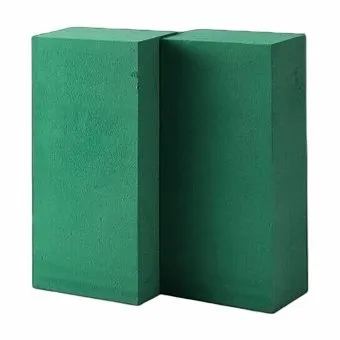
If you’re a furniture maker, interior designer, or just someone looking to build a custom headboard for your bedroom, and you want to learn more about how upholstery sponge can work for you, don’t hesitate to reach out for a purchasing consultation. We can walk you through the different foam grades, help you calculate the right amount for your project, and answer any questions you have about prep or installation. A good headboard isn’t just a piece of furniture—it’s the centerpiece of your bedroom, and it should be comfortable, stylish, and built to last for years. Upholstery sponge checks all those boxes, and it’s easier to work with than you might think.
Foam Sponge References
- Furniture Foam: A Guide to Types, Grades, and Applications. International Sleep Products Association.
- Upholstery Best Practices for Residential Furniture. North American Furniture Manufacturers Association.
- Durability Testing of Polyurethane Foams for Furniture Applications. Journal of Materials Science, 2021.
- Design and Construction of Custom Upholstered Headboards. Interior Designers of Canada, 2019.
Jiangsu Palatus Latex Products Co., Ltd.
As one of the leading upholstery sponge manufacturers and suppliers in China, we warmly welcome you to buy discount upholstery sponge from our factory. All customized products are with high quality and low price. For quotation, contact us now.
Address: No.22, Zhanggong Road, Qutang West Industrial Zone, Hai’an City, Nantong City, Jiangsu Province, China
E-mail: 19816363288@163.com
WebSite: https://www.jsplts.com/
