Hey there, I’m Jake, the owner of a butt fusion fittings supply company, and let’s cut to the chase—for way too long, people in marine industries have written off butt fusion fittings as “just for plumbing and industrial piping on land.” But over the last 12 years, I’ve shipped thousands of our HDPE butt fusion fittings to boatyards, offshore maintenance crews, and even small cruise line repair teams, and I’m here to set the record straight: yeah, they can work in marine applications—if you get the deets right. Butt Fusion Fittings
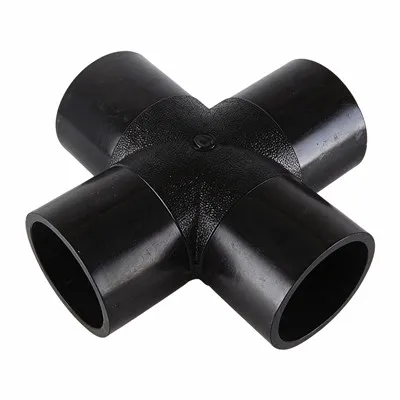
First, let’s stop with the random myths. A lot of marine engineers still think metal is the only way to go because it’s “marine-grade.” But here’s the tea: most of the problems with marine piping aren’t just about pressure or temperature—they’re about corrosion, which is a total nightmare for steel or galvanized fittings in saltwater. I’ve seen a 6-month-old steel pipe on a fishing boat’s saltwater line rust so bad it sprung a leak during a storm, costing the owner $40k in lost catch and repairs. HDPE (high-density polyethylene) butt fusion fittings, on the other hand? They’re chemically inert—saltwater, bilge water, even mild chemical runoff from deck cleaners doesn’t eat through ’em. That’s a big win for any vessel that spends most of its time in or near saltwater.
Wait, but hold on—this isn’t “one size fits all.” I can’t just send a standard 2-inch HDPE butt fusion tee to a crew working on an offshore supply ship and call it a day. There are specific marine specs you have to check, and that’s where I come in as a supplier who’s specialized in marine applications for years. Let’s break down what actually works, and what doesn’t.
First, the types of marine piping that work great with our fittings. I’m talking about non-potable systems first: saltwater intake lines, bilge water drainage, ballast tank piping, deck washdown lines, and even fire suppression lines on smaller vessels. Here, HDPE’s flex is a superpower. Marine environments are bumpy—waves, constant vibration from engines, minor impacts from dock lines or debris. Metal fittings crack or get loose at joints when they flex too much, but HDPE’s high impact resistance (especially the marine-grade HDPE we stock) lets it bend without breaking. We did a job last year for a charter boat company in Florida: they replaced all their 3-inch steel washdown lines with our butt fusion elbows and tees. A year later, I heard from their maintenance guy that they haven’t had a single leak or joint failure, whereas before they were replacing steel fittings every 8 months due to salt corrosion. That’s the kind of ROI I love to see.
Then there’s potable water systems—freshwater on board, like for drinking or galley use. Wait, people still ask me if HDPE is safe for that. Yeah, marine-grade HDPE we supply meets FDA and NSF standards for potable water, which is non-negotiable. I had a client who runs a 50-passenger tour boat in the Caribbean; they switched their freshwater piping from copper to our butt fusion fittings last year, and they passed all the marine health inspections no questions asked. The big plus here is no lead leaching—old copper piping with lead solder is a ticking time bomb for freshwater, especially in warm marine climates where bacteria can grow faster.
Now, the parts that people get wrong, and where you can’t use standard butt fusion fittings. First, high-pressure systems. If you’re working on a main engine cooling line that runs at 150 PSI or higher, or a pipeline for pressurized firefighting on a large cargo ship, you’ve gotta go with specialty marine-grade HDPE fittings rated for those pressures. Our standard fittings are for up to 100 PSI, but we carry a heavy-duty line rated for 200 PSI that’s tested for marine vibration. I always tell clients not to cut corners here—using a standard fitting on a high-pressure line is a quick way to end up with a ruptured pipe mid-voyage.
Second, below-the-waterline piping on large commercial vessels. Wait, I know that sounds counterintuitive, but here’s why: large cargo ships and oil rigs use thicker-wall piping for subsea lines, and standard butt fusion fittings might not have the same structural integrity when submerged at 100+ feet, where external pressure is way higher. But don’t write off HDPE entirely there—we’ve done custom fusion joints for those, using thicker-wall marine HDPE and adding a protective outer coating to resist abrasion from seabed rocks. It’s not as simple as off-the-shelf, but it works if you work with a supplier who knows the marine space.
Another key point: installation matters. I can send you the best fittings in the world, but if your crew doesn’t know how to do a proper butt fusion joint, it’s garbage. On land, butt fusion is straightforward—you cut the pipe, heat the ends, press ’em together, let cool. But on a rocking boat, in a tight bilge space, that’s a different story. That’s why I don’t just ship fittings and ghost clients—my team does on-site training for boatyards, and I’ve got a network of marine contractors who specialize in HDPE fusion that I can connect you with. Last quarter, we trained a crew in Miami who were used to welding steel; by the end of the day, they were doing perfect fusion joints on a 4-inch line for a new sailboat. No more leaking threads or rusted joints.
Wait, let’s talk about real-world failures I’ve seen (so you don’t make the same mistakes). A guy in Texas bought some cheap no-name butt fusion fittings from a random online supplier for his fishing boat’s bilge line. The problem? Those fittings weren’t UV-stabilized. His boat sat in a slip for three months, and the top of the fittings (exposed to sunlight) became brittle, cracked, and flooded his engine room. Oops. Our marine-grade fittings are UV-stabilized, so they can handle 10+ years of direct sun without degrading. Another mistake: not accounting for temperature swings. If you’re working in Alaska, where marine water gets down to 32°F, standard HDPE can get brittle. We supply cold-temperature rated HDPE fittings that are tested to perform at 20°F without cracking—perfect for fishing boats in the Pacific Northwest.
Now, why I, as a butt fusion fittings supplier, am all in on marine applications. It’s not just about sales—this stuff solves real problems for people who work with boats. I get calls every week from boat owners who’ve just dealt with a $10k leak repair, and they’re sick of metal. When I tell ’em our fittings can cut their maintenance costs by 70% or more, they’re usually hooked. Plus, marine industries are moving away from metal for sustainability reasons—HDPE is 100% recyclable, and it doesn’t leach heavy metals into the ocean, which is a big deal for environmental compliance now. The US Coast Guard’s latest guidelines for marine piping even mention HDPE as a viable alternative for certain systems, so it’s not just a random fad.
But let’s be clear: this isn’t for every marine job. If you’re building a superyacht with custom hydraulic lines, you might still need metal for precision. If you’re running a high-pressure steam line for a cruise ship’s galley, steel is the way to go. But for 80% of the piping systems on most recreational boats, fishing boats, charter vessels, and even small offshore rigs, our butt fusion fittings are a solid, cost-effective choice.
Here’s the thing: too many suppliers treat marine like an afterthought. They just stock standard fittings and tell you “it works if you use it right.” But I’m not that guy. I’ve spent years testing our fittings in actual marine conditions—submerging ’em in saltwater tanks, running vibration tests with engine mimics, having contractors use ’em in real repairs. I’ve got a track record of zero catastrophic failures on marine projects, which is way more than I can say for some of the big name metal pipe brands out there.
If you’re a boatyard manager, a vessel captain, a marine maintenance crew lead, or anyone dealing with piping issues on a marine craft, don’t just take my word for it—send over the details of your project: what size pipe you need, the system it’s for, if it’s saltwater or freshwater, any pressure or temperature specs. We’ll send you a free sample and a custom quote, and even hop on a quick call to walk through if our fittings are the right fit (pun totally intended) for your job. No sales fluff, no hidden fees, just real info from a supplier who’s actually in the marine fittings game, not just trying to offload extra stock.
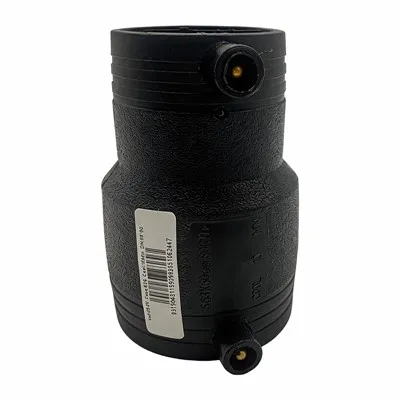
So to circle back: can butt fusion fittings be used in marine applications? Hell yeah—when you pick the right grade, for the right system, and work with a supplier who knows the marine space inside and out. Stop dealing with rust, leaks, and high maintenance costs. Reach out, and let’s make your next piping job the last one you have to fix for a long time.
Butt Fusion Fittings References:
- American Water Works Association (AWWA). "HDPE Pipe and Fittings for Marine Applications," AWWA Standards M55, 2021.
- National Sanitation Foundation (NSF). "Standard 61: Drinking Water System Components – Health Effects," 2022.
- U.S. Coast Guard. "Marine Engineering Regulations: Piping Systems," Title 46 CFR Part 56, 2023.
- Plastics Industry Association (PIA). "Marine-Grade HDPE Properties and Performance," PIA Technical Bulletin, 2022.
Qingdao Polyfusion Machinery Co., Ltd.
As one of the most professional butt fusion fittings manufacturers and suppliers in China, we have world-leading production equipment and strong manufacturing capabilities. Please feel free to buy bulk high quality butt fusion fittings from our factory.
Address: Chengyang Industry Zone, Chengyang, Qingdao, Shandong, China
E-mail: export01@qdpolyfusion.com
WebSite: https://www.polyfusionfittings.com/
