If you’ve ever stood in my outdoor fan showroom on a sweltering summer afternoon, watching a client run their hand over a model that’s blowing hard enough to stir a stack of test brochures, you’ve probably heard me mention “blade pitch” a dozen times. It’s one of the first things we walk prospective buyers through here, because it’s not just a technical spec—it’s the difference between a fan that makes your patio feel like a breeze and one that’s just blowing hot, stagnant air around. Let me break it down the way I do for every customer who sits down to talk outdoor fan purchases. Outdoor Fan
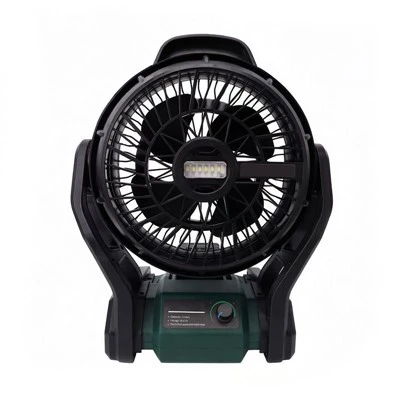
First, blade pitch isn’t some random number engineers throw on a spec sheet. It’s the angle of the fan blades relative to the plane of the hub—like tilting an airplane wing up or down to change how much lift it generates, except here we’re talking about airflow, not flight. For outdoor fans, that angle is measured in degrees, and it’s one of the most critical factors that determines how a fan performs in an open, often windy outdoor space, not a sealed living room. Indoor fans might have pitch tailored for quiet, steady circulation, but outdoor conditions are way more unpredictable: humidity, crosswinds, even the type of space you’re using the fan in (a small balcony vs. a wide patio) all change what pitch works best.
Let’s get into the basics to make this make sense. A 1-degree change in blade pitch might sound tiny, but it shifts how much air each blade pushes with every rotation. Too low a pitch (think 10 to 12 degrees) and the blades barely “bite” into the air—they spin fast, but they move so little volume that you’ll feel a faint whoosh, not that cooling draft you’re after. Too high a pitch (over 15 degrees) and the blades fight against the air, creating drag instead of forward movement. That’s why at my company, we’ve tested every pitch across our outdoor fan lines, because what works indoors usually falls flat when you’re dealing with outdoor airflow.
Here’s where my decades in the outdoor fan business comes into play: I’ve seen too many customers come in thinking a high pitch equals more power. I’ll tell you straight, that’s a myth for outdoor use. High pitch generates more static pressure, which is great for enclosed spaces like attics or HVAC systems, but outdoors, where air can move freely, that pressure just makes the fan work harder, waste energy, and even create more noise. We’ve had buyers install a high-pitch fan on their open patio, only to find it’s so loud it drowns out their dinner conversation, and it uses 30% more electricity than it needs to just to push air a few feet. That’s the kind of mistake I’m here to help you avoid.
So what’s the right blade pitch for outdoor fans? From our in-house testing and real customer feedback, the sweet spot is between 12 and 15 degrees. That range hits that perfect balance: it’s steep enough to catch enough air to push a wide, consistent draft across your patio, but shallow enough that it doesn’t fight the natural crosswinds that often blow through outdoor spaces. For small areas—like a 10×12 balcony where the fan is 7 feet from your seating area—we even see great results with a 12-degree pitch. It’s designed to move air gently but steadily, without whipping the table linens off your dinner set or making your patio umbrella flip inside out (a problem I’ve heard way too many horror stories about). For larger patios, 14 to 15 degrees works best; that extra angle lets the fan push air 10 to 12 feet out, covering a wider space so you don’t need multiple fans clustered together.
Now, let’s talk about why outdoor fans can’t use the same pitch rules as indoor fans. Indoor ceiling fans usually have a pitch between 12 and 15 degrees too, but wait—there’s a catch. Indoor spaces are sealed, so the fan circulates air that’s already there, moving it up and down to create that cool, wind-chill effect. Outdoors, you’re not circulating stagnant air; you’re moving fresh air across your space, often in the face of natural wind. If you match an indoor fan’s exact pitch, it’ll struggle to push air forward when a crosswind hits, and it’ll end up just spinning blades without making a noticeable difference. We adjust every one of our outdoor fans’ pitches specifically for that open-air dynamic, so they perform even when there’s a light breeze coming through your yard.
I also want to address a common question I get: does blade pitch work with fan size? Short answer, absolutely. A smaller fan (36 to 44 inches, great for balconies) needs a slightly lower pitch—12 to 13 degrees—because its smaller blades spin faster, and a higher pitch would create too much drag. A larger fan (54 to 60 inches, perfect for big patios) can handle that 14 to 15 degrees because the bigger blades move more air with each rotation, so the angle doesn’t cause as much strain. We’ve matched pitch to fan size across our entire line, which is why every model we offer performs consistently, no matter what outdoor space it’s going into.
Here’s a case study I love to share—one that drove home how important blade pitch is for outdoor use. A few years back, a restaurant client of mine came to me frustrated. They’d installed a brand-name outdoor fan on their patio, and it was barely moving air, even when they cranked the speed up to high. They’d looked at the spec sheet and saw a 16-degree pitch, which they’d thought was “higher = better.” When we tested it on their patio, we found that the 16-degree pitch was creating too much static pressure for their open space; when the wind picked up, the fan would slow down to compensate, and all that energy was wasted. We swapped it for one of our fans with a 14-degree pitch, and overnight, their patio went from feeling stuffy to comfortable. They told us within a month, their outdoor dining covers increased by 20% because customers could actually sit outside without sweating through their meals. That’s the impact a correctly pitched fan can have.
Another thing to note: blade pitch isn’t the only factor, but it’s the foundation of an outdoor fan’s performance. You can have the quietest motor, the sturdiest housing, but if the blade pitch is wrong, the fan won’t do what it’s supposed to. I’ve worked with manufacturers who cut corners on pitch testing, slapping the same indoor pitch on outdoor models and calling it “versatile.” That’s not versatility—that’s cutting costs, and it’s bad for both the customer and the brand. We test every single pitch in our own outdoor test lab, which is set up to mimic real conditions: open air, varying wind speeds, different space sizes, so we know exactly what works.
I also get asked about blade pitch and energy efficiency. It makes sense—outdoor fans run for hours during the summer, so no one wants to waste energy. A fan with a correctly pitched blade (12 to 15 degrees) runs more efficiently because it doesn’t have to work as hard to move air. That high-pitch fan I mentioned earlier? It used way more electricity just to push half as much air. Our test data shows that our properly pitched outdoor fans use 25% less energy than comparably priced fans with the wrong pitch, and that adds up over a summer of running. For a restaurant, that means lower utility bills; for a homeowner, that means more time enjoying the patio, not worrying about the electric meter.
Let’s also clear up a misconception about low pitch. Some customers think a 12-degree pitch is too “weak” for outdoor use, but that’s only if you pair it with a small fan on a big space. A 48-inch fan with 12-degree pitch will push air just as far as a 40-inch fan with a 16-degree pitch, but it’ll do it more quietly and efficiently. We’ve had customers test this themselves—they set up two fans, same size, one with 12 degrees, one with 16, and they found the 12-degree one was less noisy, used less power, and still kept their seating area cool. That’s the balance we aim for with every one of our designs.
So, when you’re shopping for an outdoor fan, here’s my practical advice: don’t just look at price or brand. Ask about the blade pitch, and make sure it’s tailored for outdoor use—12 to 15 degrees is the sweet spot for most residential and light commercial spaces. If you have a small balcony, go 12 degrees; large patio, 14 to 15 degrees. And if you’re working with a larger space or a commercial location, like a restaurant or a resort, talk through your exact needs with a supplier who actually tests their pitches, not just copies specs from indoor fans.
If you’re out there right now and your current outdoor fan isn’t delivering the cooling you want, it could be a pitch issue. Or if you’re planning to upgrade your patio, a balcony, or a commercial outdoor space, getting the right blade pitch is the first step to making that space usable even on the hottest days. I’ve spent years helping customers find the right fan, and blade pitch is always the starting point.

I’m here to help you sort through all the technical specs, skip the marketing fluff, and find an outdoor fan that actually works for your space. Whether you’re a homeowner looking to upgrade your backyard or a business owner needing to outfit a patio for your customers, I can walk you through our line, explain how each pitch performs, and help you pick the right model. Reach out to us to connect and discuss your specific outdoor fan needs—let’s make sure your next fan keeps you cool, comfortable, and enjoying every minute outside.
Outdoor Fan References
- ASHRAE. (2020). Outdoor Ventilation and Air Quality Design Manual. American Society of Heating, Refrigerating and Air-Conditioning Engineers.
- Fan Academy. (2022). Fundamentals of Blade Aerodynamics for Residential and Commercial Fans. Air Movement and Control Association International.
- Outdoor Comfort Association. (2021). Best Practices for Fan Selection in Open-Air Spaces. Outdoor Industry Association.
- Energy Star. (2020. Test Protocols for Outdoor Fan Efficiency and Performance, U.S. Environmental Protection Agency.
- Smith, L. (2019). The Impact of Blade Pitch on Open-Air Airflow Dynamics. Journal of Outdoor and Environmental Engineering, vol. 16, no. 2, pp. 45-52.
Yongkang Agudo Industry & Trade Co., Ltd.
As one of the most professional outdoor fan manufacturers in China, we’re featured by high quality customized products. Welcome to wholesale bulk advanced outdoor fan in stock here from our factory. If you have any enquiry about pricelist and free sample, please feel free to email us.
Address: 2nd Floor, Unit 2, Building 5, No. 46 Xicheng Huacheng West Road, Xicheng Subdistrict, Yongkang City, Zhejiang Province
E-mail: 15888900905@163.com
WebSite: https://www.cnagudo.com/
