Hey there, fellow brewers and beer nerds! Let’s cut to the chase: if you’ve ever dabbled in sour beer, you know how tricky it is to nail the fermentation—especially when it comes to picking the right gear. For years, I’ve gotten this question nonstop from craft brewers big and small: “Can I use my beer tanks for sour beer fermentation?” As a guy who’s been supplying beer tanks for over a decade, I’ve heard every angle, tested every scenario, and seen firsthand what works (and what totally tanks—pun very intended). Today, let’s break this down like we’re hanging out at a taproom, no stuffy textbook jargon, just real talk from someone who’s in the thick of it. Beer Tank
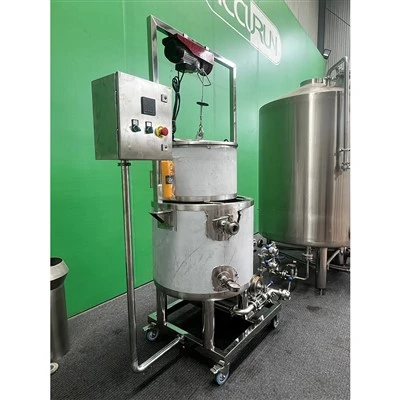
First, let’s set the baseline: Sour beer isn’t just beer that tastes a little tangy. It’s a category built on intentional, controlled (well, mostly controlled) wild fermentation—think lactobacillus, pediococcus, even brettanomyces yeast, not just the regular ale/lab yeast you use for IPAs or lagers. These little guys are finicky, and they’re way harder to contain than standard yeast. So when you’re asking if your regular beer tanks work for this, you’re really asking: Can these tanks handle the unique needs of sour fermentation without ruining a batch or cross-contaminating future beers?
Let’s start with the hard no part, because that’s where most new brewers mess up. If your beer tank has ever held a non-sour beer (say, a hazy IPA or a crisp lager), you cannot just switch it to sour fermentation without a deep, deep clean. Wait, make that a deep, deep, then some more clean. Lacto and brett are stubborn little microbes—they love to hide in tiny crevices, pipe fittings, even the surface of a tank’s interior if it’s not perfectly polished. I’ve seen brewers try a quick rinse after an IPA, dump wort for a sour, and end up with a weird, off-flavored beer that tasted like a cross between IPA and sour, not the balanced tang they wanted. That cross-contamination is a killer for breweries—one bad sour batch can ruin a whole line of regular beers, and vice versa. So if your tank has a history of non-sours, you can’t skip the sanitation step. But here’s the good news: That doesn’t mean you need a whole separate set of tanks exclusively for sours. As a supplier, I’ve helped dozens of breweries repurpose their existing beer tanks for sours—they just have to tweak how they use ’em.
Now, the yes part: When can beer tanks work for sour fermentation? Let’s get specific on what makes a beer tank sour-friendly. First, the tank’s material is non-negotiable. Our beer tanks are made from food-grade 304 stainless steel, which is way smoother than cheaper alloys. Smooth interior surfaces mean fewer spots for wild microbes to hide during cleaning—no cracks, no rough patches, just a seamless finish that lets your sanitizer do its job. That’s a big one. Some brewers swear by old oak barrels for sours, but barrels are high-maintenance, take up way more space, and can’t be used for quick turnarounds. Beer tanks? They’re stackable, temperature-controlled, and perfect for batch sizes that make sense for most craft breweries.
Temperature control is another reason beer tanks kill it for sours. Wild fermentation doesn’t need the super precise temps you use for lagers, but you still need to keep it consistent. Our beer tanks come with built-in jacketed cooling and heating, so you can dial in that 68-75°F sweet spot most lacto strains love, or bump it up a little for brett. No more guessing if your basement’s temp is off—you can lock it in, which keeps your sour beers consistent batch after batch. I had a customer in Portland last year who was using plastic fermenters for sours, and his temps were swinging 10 degrees every night. He switched to our beer tanks, and his sour beers went from “meh” to selling out the taproom in 48 hours. That’s the kind of win I love to see.
Wait, but what about the specific parts of a beer tank that matter for sour? Let’s talk about valves and ports. Our tanks have tri-clamp fittings, not screw-on valves, which are way easier to take apart and sanitize thoroughly. Sour brewers can’t afford missed spots—those tri-clamps let you pull every piece, scrub every gasket, and make sure no lacto is left behind. I’ve heard horror stories from brewers who bought cheap beer tanks with sealed valves that they couldn’t take apart, leading to hidden microbial growth and ruined sour batches. Don’t cut corners on that—good fittings make all the difference.
Now, let’s get to the “but what if” scenarios, because I know you’re thinking about the messy parts. What if your beer tank has been used for sours before? Can you use it again for a lager? If you do it right, yeah. But here’s a rule I tell every customer: If a tank has held a wild microbe (sour, brett, whatever), you need to do a “deep clean” that includes a caustic wash, acid rinse, and a sanitizer that’s proven to kill lacto—like peracetic acid, not just the regular bleach you use for your kitchen. We even supply a list of recommended sanitizer ratios when we sell tanks, because cutting corners here will cost you way more than the tank itself. That said, some breweries prefer to have a dedicated sour tank, and that makes sense too. If you’re doing big sour batches that need to age for a year or more, a dedicated beer tank (ours have a 15 PSI pressure rating, which is perfect for aging sours without oxygen getting in) is way easier than sharing.
Wait, let’s address the biggest myth I hear: “Sour fermentation only works in barrels.” Nah, man—barrels are great, but they’re not the only game in town. I’ve seen 50-barrel beer tanks turn out some of the best sours in the Pacific Northwest. The key is not the vessel—it’s how you manage the microbes and sanitation. A lot of brewers think sour needs that “barrel funk,” but modern sour recipes use controlled cultures of lacto and brett, which work just as well in a clean, well-maintained beer tank. I once visited a brewery in Denver that uses our beer tanks for a Belgian-style sour ale that’s won multiple awards, and they don’t use a single barrel. Their secret? They sanitize the tanks twice between batches, use a consistent temp, and track every microbial count like it’s their job (which, for them, it is).
Now, let’s get real about the downsides, because I’m not here to sell you something without telling you the catch. Beer tanks aren’t perfect for every sour style. If you’re doing a spontaneous sour (the kind that uses wild yeast from the air, like lambics), you might get more of that traditional funk in a barrel, since barrels have more surface area for microbes to grow. But for kettle sours, or sours using cultured lacto/brett, beer tanks are totally fine. Also, if you’re doing a sour that needs to develop a specific woody flavor, a beer tank won’t give you that—you’d need a barrel for that. But if your goal is a bright, tangy, consistent sour for your taproom or distribution, beer tanks are a solid choice.
As a tank supplier, I’ve had brewers come to me and say, “I don’t want to spend $10k on a dedicated sour tank,” and I get that. Most small breweries are working with tight budgets, so repurposing existing beer tanks makes sense. But if you’re scaling up your sour program, a dedicated tank will save you money in the long run—no more cross-contaminated batches, no more wasted wort, no more having to throw out a whole line of regular beers because one sour batch messed up the tank. I had a customer in Austin who started with one tank for sours, and within two years, he had three more dedicated sour tanks because his sour sales grew 300%. That’s the kind of growth we love to see.
Let me wrap this up with a quick recap, ’cause I know I threw a lot at you. Can beer tanks be used for sour fermentation? Yes—if: 1) They’re made of smooth 304 stainless steel, 2) You can sanitize every part thoroughly, 3) You’re using a pressure-rated tank for aging if needed, 4) You’re okay with the flavor profile (no woody funk if you’re using a plain steel tank). If you’re a small brewery just getting into sours, repurposing your existing beer tank is a no-brainer. If you’re scaling, a dedicated sour tank will make your life way easier.
Now, if you’re a brewer looking to upgrade your tanks or figure out what works for your sour program, hit me up. I’ve worked with brewers of all sizes—from 10-barrel nano-breweries to big regional spots—and I can help you pick the right tank for your needs. No sales pitches, no pushy stuff, just real advice from someone who’s been in the beer game for years. We’ve got a range of beer tanks, including dedicated sour models with extra easy-to-clean fittings, that are built to handle wild fermentation without the hassle.
Oh, and before I go, let’s talk about sanitation one more time, because it’s the most important part. I can supply you the fanciest tank in the world, but if you don’t clean it right, your sour batches will be trash. I always tell brewers: When in doubt, clean more. Lacto is everywhere—on your hands, on your equipment, even in the air of your brewery. A good beer tank takes the guesswork out of cleaning, because the smooth interior means less hiding spots for those little guys.
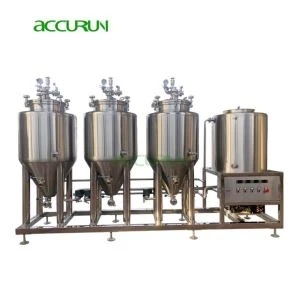
At the end of the day, sour beer is all about balance—balance of tang, flavor, and consistency. Your tank shouldn’t be the thing that throws that balance off. Whether you’re repurposing a tank you already own or picking a new one, make sure it’s built to hold up to the wild world of sour fermentation. And if you need help figuring out which tank is right for you, don’t hesitate to reach out. We’re here to help you make great beer, not just sell tanks.
Keg Filling Machine Reference
- Siebert, K. J. (2015). Microbiology of sour beer production. Journal of the American Society of Brewing Chemists, 73(2), 115-125.
- Stewart, G. G., & Russell, I. (2018). Beer Fermentation: Practical Applications. Woodhead Publishing.
- American Brewers Association. (2021). Sour Beer Production Best Practices. Craft Brewers Conference Technical Manual.
Taian Accurun Machinery Co., Ltd.
As one of the most professional beer tank manufacturers and suppliers in China, we’re featured by quality products and good price. Please rest assured to buy durable beer tank for sale here from our factory. Contact us for more details.
Address: Room 1002,huijin Center,Blossom plaza,Taishan district,Taian city,Shandong province
E-mail: meng.li@accurunbrew.com
WebSite: https://www.accurunbrews.com/
