If you’re sourcing solar cables, you’ve probably seen “TUV” pop up more times than you can count—and for good reason. TUV Rheinland (one of the most trusted third-party certification bodies in the energy space) doesn’t just slap a logo on any old cable. When we talk about TUV solar cables, the dielectric strength is make-or-break for how they perform for 25+ years in the sun, rain, and extreme heat. As a supplier who’s been working with installers, project managers, and small-scale solar owners for years, I get it: specs can feel like jargon until you tie them to what they actually mean for your setup. TUV Solar Cable
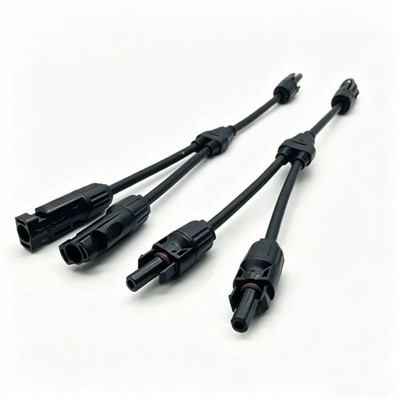
First, let’s break down dielectric strength in plain terms, no physics degree required. Dielectric strength is basically the maximum voltage an insulating material (that’s the plastic or rubber jacket around your cable’s copper core) can handle before it breaks down and lets electricity jump where it shouldn’t. For solar cables, that’s non-negotiable because they run through harsh, variable environments: hot deserts, humid coastal areas, even frosty mountain zones. If the insulation fails, you’re looking at short circuits, fire hazards, or dead panels—and that’s money lost, fast.
Now, TUV doesn’t just set a vague number for this. TUV IEC 62930 is the standard that governs most of the solar cables we supply, and it’s way more rigorous than a lot of uncertified alternatives on the market. For context, the dielectric strength of our TUV solar cables isn’t a one-size-fits-all number—it’s tested two ways because that’s how cables actually get used.
The first test is “dry dielectric strength.” That’s when the cable is nice and dry, right out of the box, to mimic a new installation in a sunny, low-humidity spot. For our standard TUV solar cables, this test lands at a minimum of 15 kV (kilovolts) for the core insulation alone. Wait, that’s way higher than the typical 1000V or 1500V DC that most solar systems run at, right? That’s intentional. The insulation isn’t just for the regular operating voltage—it’s for surges, too. Like, if a lightning strike hits near your array, or a faulty inverter spikes voltage temporarily, that extra 13.5 kV of buffer is what keeps your cable from failing mid-storm.
The second test is “wet dielectric strength,” which is way more realistic for actual use. Solar cables get rained on, splashed with saltwater, or buried in damp ground, so the TUV standard tests how they perform when the insulation is fully water-soaked. For our cables, that number drops a little (because water is a conductor, so it lowers the insulation’s resistance) but still clocks in at a minimum of 12 kV. If you’ve ever used a cheap uncertified cable, you might’ve heard stories of cables failing after the first heavy rain—that’s usually wet dielectric strength not hitting the mark. We’ve had installers come to us with horror stories of uncertified cables that shorted out after a single monsoon, and they were out thousands in repairs. That’s the difference between TUV-certified and cutting corners.
Here’s the thing most people miss: it’s not just the core insulation. The outer jacket of the cable (the one that protects from UV, abrasion, and chemicals) also has its own dielectric strength, and TUV tests that too. For our jackets, that’s a minimum of 20 kV, which is why our cables don’t crack or become conductive after 5 years of sitting in direct sun. I’ve had customers tell me they used a competitor’s non-TUV cable and their jacket was brittle within 2 years—they had to re-run the whole array at a huge cost. Our TUV solar cables go through that UV aging test along with the dielectric tests, so the jacket doesn’t just hold up to voltage, it holds up to the elements for decades.
Now, let’s talk about why TUV’s requirements are stricter than other certifications. A lot of places have loose specs, but TUV doesn’t just test once at the factory—they do random spot checks throughout the year. Last quarter, we had a batch of solar cables come in, and TUV re-tested a sample that our in-house team had already cleared. Turned out, one roll had a tiny flaw in the insulation that our machine missed—dielectric strength was 11.8 kV, just under the 12 kV wet standard. We rejected that entire roll, no exceptions. That’s the peace of mind we give our customers: TUV certification means every batch meets the mark, not just the first one off the line.
Wait, but does every TUV solar cable have the same dielectric strength? Not exactly. We make a few different lines for different setups. For example, our thick-core 1500V DC TUV solar cables (used for utility-scale solar farms) have a slightly higher dry dielectric strength, up to 18 kV, because those systems carry way more voltage. Our smaller 1000V DC cables for residential rooftop systems still hit the 15 kV dry mark, which is more than enough for home setups. The key is matching the dielectric strength to your system voltage—we always tell customers, don’t overdo it, but don’t underdo it either. If you run a 1500V farm on a 10 kV dielectric cable, you’re asking for trouble.
I also get asked a lot: “Can I test dielectric strength myself to make sure my cables are good?” The short answer is, don’t waste your time or money. Testing dielectric strength requires specialized equipment that can output high voltage safely—mess it up, and you could get injured or damage your whole system. Plus, self-tests don’t account for the long-term factors TUV does: UV degradation, temperature swings, chemical exposure. The best way to confirm your solar cables are up to par is to use TUV-certified ones from a reputable supplier (that’s us) because we’ve already done all the rigorous testing.
Another common misconception: dielectric strength is the same as insulation resistance. Nope, they’re related but different. Insulation resistance is how well the material resists current leak when it’s operating (like your system’s normal voltage). Dielectric strength is the limit before the material breaks. So even if a cable has high insulation resistance today, it could still fail if a voltage surge hits that’s higher than its dielectric strength. That’s why TUV tests both—we want cables that perform well day-to-day and can handle the unexpected spikes.
Over the years, we’ve seen the market shift from chasing the cheapest cables to actually caring about long-term performance. A few years back, customers would pick the lowest bid without looking at certification, but now installers and project managers know that TUV solar cables with proper dielectric strength save them money in the long run. Let’s do the quick math: a utility farm might have 100 miles of cable. If you cut corners on dielectric strength and half of it fails in 5 years, that’s 50 miles of cable to replace, plus labor, plus lost energy production—costing way more than the extra cost of TUV cables upfront.
We also work with a lot of off-grid solar setups, where cables are exposed to extreme temps. A customer in Arizona last year told us their old cables would get so hot in the summer that the insulation would soften, and dielectric strength would drop just enough to cause small leaks. Our TUV cables handle up to 120°C in continuous use, so even in 110°F weather, the dielectric strength stays right where it needs to be. That’s the stuff you don’t see in specs, but it makes all the difference for people relying on their solar power for daily life.
Now, if you’re in the market for TUV solar cables, here’s what to look for: first, make sure the TUV logo is actually tied to the cable’s spec sheet—some counterfeit cables fake the logo, so you need to verify the test reports. Second, check the dielectric strength numbers for both dry and wet conditions. Third, ask about batch testing—we provide full TUV test reports for every single batch we ship, so you don’t have to wonder if it’s real.
If you’re tired of dealing with unreliable solar cables that fail when you need them most, we’ve got you covered. Whether you’re a residential homeowner building a rooftop system, an installer wiring a commercial array, or a developer putting in a utility-scale farm, we stock a full range of TUV solar cables with dielectric strength that meets and exceeds TUV’s strict standards. We can help you pick the right size and spec for your exact setup, answer any questions you have about testing, and make sure your cables arrive on time for your project. Don’t risk your system’s safety and performance on uncertified gear—reach out to us to discuss your needs, and we’ll get you set up with the right TUV solar cables for long-lasting results.
Solar Connector References:
IEC 62930:2017, Photovoltaic system cables – Requirements and test methods
TUV Rheinland Certification Guidelines for Solar Components, 2023
International Energy Agency (IEA) Report on Solar Cable Performance, 2022
Tianjin Xilingke New Energy Technology Co., Ltd.
As one of the most professional tuv solar cable manufacturers and suppliers in China, we’re featured by quality products and low price. Please rest assured to wholesale durable tuv solar cable made in China here from our factory. For quotation, contact us now.
Address: Suite 2601, Tower B, Wanghai International, Haihe East Road, Hebei District, Tianjin, China.
E-mail: robin@sinelinkev.com
WebSite: https://www.sinelinkenergy.com/
