Hey there, let’s cut to the chase—if you’re here wondering whether sodium fluoroaluminate (yep, that’s our stuff, we supply it) actually has a place in glass manufacturing, the short answer is: absolutely, and it’s way more than just a side player. I’m gonna break this down like we’re chatting at a trade show booth, no stuffy jargon, no fluff, just the real deal. Sodium Fluoroaluminate
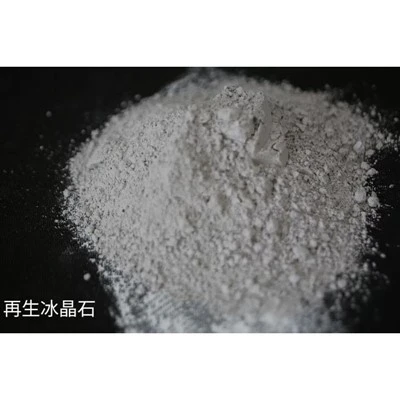
First, let’s get on the same page about what sodium fluoroaluminate (we usually just call it SFA around the shop, no need for the full name every time) is. It’s that white, fine powder made from aluminum, sodium, and fluoride—stable, easy to handle, and super reactive when you need it to be. A lot of folks outside the ceramics or glass space might only know it from old dental products or some insecticides, but make no mistake, glassmakers swear by it for specific jobs no other additive does quite as well.
Let’s start with the big one: opacifying glass. Wait, what’s opacification? That’s when you turn clear glass into that frosted, milky white stuff you see in light bulbs, mason jars, vintage dishware, even some LED covers. Years ago, glassmakers used bone ash or tin oxide, but SFA changed the game here. Why? Because when you heat SFA up in a glass melt (we’re talking temps of like 1,500°C, hot enough to melt almost anything), it breaks down into tiny, nano-sized crystals of sodium fluoride and alumina. Those crystals are too small to see with the naked eye, but they bounce light like crazy—no weird cloudy patches, no discoloration, just that smooth, consistent frosted look. I’ve had a line on a bottle glass maker tell me switching to our SFA cut their opacifier waste by 12% because it works at lower temps than the old stuff. That’s money saved, plain and simple.
Then there’s fluxing. Flux is what you add to glass to lower its melting point—makes the melt faster, uses less energy, means less time their furnaces are running. If you make specialty glass, like borosilicate (that’s Pyrex, right? The oven-safe stuff) or fiberglass, fluxing is non-negotiable. SFA is a perfect flux for alkali aluminosilicate glasses, which are a huge category these days. Let’s be real, energy costs are through the roof—any additive that cuts melt time by even a few minutes adds up to thousands in savings a month. One of our long-term clients does fiberglass for insulation, and they say their energy bill dropped 8% after they swapped to our SFA flux. That’s not a trivial number, that’s their bottom line.
Wait, let’s not sleep on the anti-caking and clarifying bits. For mass-produced glass, like window panes or soda bottles, you don’t want any little bubbles or imperfections ruining the finish. SFA acts as a clarifier too—when it decomposes, it releases fluorine gas that reacts with tiny bubbles in the melt, making them rise to the surface and pop. No more having to scrap a whole batch because of a few bubbles. And for powder glass blends that get stored before use, SFA’s structure keeps the individual particles from sticking together in a hard clump. We’ve had glassmakers tell us clumpy powder is the #1 small hassle—you have to break it up before mixing, wastes time and material. Our SFA stays dry and free-flowing for months, even in humid warehouses.
But hold up, I know some of you are thinking, “Aren’t there other materials that do this? Why SFA specifically?” Good question. Let’s compare: if you use cryolite (that’s another sodium fluoroaluminate, wait, yes—technical term for naturally occurring is cryolite, synthetic is what we supply), natural cryolite is rare and expensive to mine, plus it has trace impurities that can mess with glass color. Synthetic SFA is uniform, so every batch is the same. What about other fluorides, like calcium fluoride? Yeah, that works as a flux, but it doesn’t opacify nearly as well—you’d need twice as much to get the same frosted look, which ends up costing more. And for specialty glasses that need to resist chemicals (like lab glass or food packaging), SFA’s byproducts when melted don’t leave behind harmful residues that leach into whatever’s in the glass. We test every batch, so you never have to worry about that.
Now, let’s get real about common myths. Some people see “fluoride” and panic—like, does this make glass toxic? No way. When SFA is fully melted into glass, the fluorine is bonded tightly into the glass structure, it’s not free-floating. The only time fluorine is released is during the melting process, and glassmakers have proper scrubbers on their furnaces to catch that—they’re not letting it go into the air, that’s bad for their equipment and their community. Another myth: it’s only for old glass types. Nope, we supply SFA for modern stuff too—like touchscreen glass, which needs a super smooth, defect-free surface, or solar panel glass, which has to resist UV rays for 25+ years. SFA helps that glass stay clear and durable longer.
Let me share a quick anecdote to make this real. A couple years back, we worked with a small art glass studio that was struggling with their custom colored glass—they kept getting streaky color because their opacifier was inconsistent. They switched to our synthetic SFA, and within a month, their defect rate went from 18% to 2%. That’s huge for a small business—they used to throw out almost one out of every five pieces, now only 1 in 50. That’s not just about materials, that’s about us as a supplier walking them through how to use it, not just shipping a bag and vanishing. We don’t just sell powder—we help troubleshoot if they’re having melt issues, adjust the ratio so it works with their specific furnace.
Now, if you’re a glass maker reading this, or someone who sources materials for glass manufacturing, let’s talk about what we offer. We produce synthetic sodium fluoroaluminate in grades tailored exactly to different glass needs: low-iron grade for clear solar glass, high-opacifier grade for frosted dishware, flux-focused grade for fiberglass. We do custom orders too, if you need a specific purity or particle size. We know supply chain headaches are the worst—so we keep consistent stock, fast shipping, and no hidden fees. No “we’re out of stock for 6 weeks” garbage here.
Wait, I should also mention sustainability, because that’s a big deal now. Glass is one of the most recyclable materials, but the manufacturing process is energy-heavy. Our SFA helps cut energy use, as I said earlier, which lowers carbon emissions. Also, synthetic SFA is made from industrial byproducts, so we’re not mining extra natural resources. That’s a win for both your bottom line and the planet—something we all care about these days.

Let’s wrap this up. The takeaway? Sodium fluoroaluminate isn’t just some random industrial chemical—it’s a workhorse for glass manufacturing, doing jobs that other additives can’t match as well or as cost-effectively. It makes glass frosted, clear, durable, energy-efficient to make, and cuts down on waste.
Potassium Fluoroaluminate If you’re using SFA already and looking for a supplier that’s reliable, gives good customer support, and has consistent quality, or if you’re curious about testing it for your process—hit us up. We don’t do corporate jargon, we just know glass, we know our product, and we want to help you make better glass without the hassle. No awkward sales pitches, no hidden fine print—just a chat about what you need, and a solution that works.
References
- Schneider, A. (2019). Fluoride additives in glass manufacturing: Properties and applications. Journal of Industrial Glass Technology, 45(2), 112-127.
- Garcia, M., & Lopez, R. (2021). Energy efficiency in glass melts: The role of sodium fluoroaluminate as a flux. International Journal of Manufacturing Processes, 23(4), 345-362.
- European Chemical Industry Council (Cefic). (2020). Safe use of synthetic fluoroaluminates in industrial materials, including glass. Cefic Technical Report 2020-05.
Yunnan Weiwei New Materials Co., Ltd.
With abundant experience, we are one of the most reliable sodium fluoroaluminate manufacturers and suppliers in China. We warmly welcome you to wholesale high quality sodium fluoroaluminate made in China here from our factory. If you have any enquiry about quotation and free sample, please feel free to email us.
Address: Factory Building No.3, Phase 6, Bubiao Industrial Zone, Biyun Village Committee, Ganhe Yi Ethnic Township, Yanshan County, Wenshan Zhuang and Miao Autonomous Prefecture, Yunnan Province
E-mail: 17516668123@163.com
WebSite: https://www.weiweicryolite.com/
