If you’ve ever driven a car, heated your home, or used any petroleum-based product, chances are you’ve indirectly benefited from hydrogen in a refining plant. As a supplier of refining equipment and tech, I get asked all the time: “Why is hydrogen such a big deal here, and what does it actually do, beyond just being some random element?” Let me break this down straight—no jargon, no fluff, just the real role hydrogen plays in a refinery’s daily grind. Refining Plant
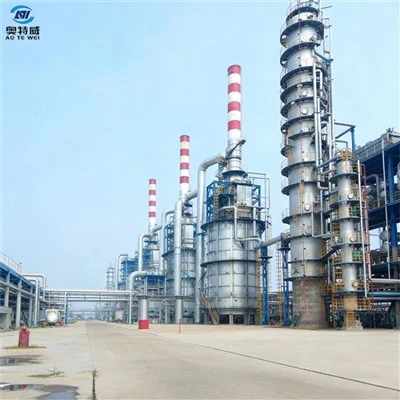
First, let’s set the scene: a refinery isn’t just a big pipe that crudes oil into gasoline. It’s a complex machine that takes that thick, raw crude (loaded with stuff we don’t want) and turns it into usable products people actually need—like clean-burning gas, diesel, jet fuel, even things like plastics or lubricants. Crude oil has impurities—sulfur, nitrogen, heavy metals, and long, messy hydrocarbon chains that are too big to be useful for most modern products. That’s where hydrogen comes in, and it’s not just a “nice to have”—it’s a make-or-break part of the whole process these days.
Let’s start with the basics: hydrogen’s superpower here is hydrogenation. That’s the process where you take those unwanted impurities and big hydrocarbon molecules and “add” hydrogen to them to make them safe, usable, and compliant. Wait, let’s make that concrete. For example, sulfur in fuels. If a refinery pumps gas straight from crude with all that sulfur, when you burn it, it turns into sulfur dioxide—bad for air, bad for humans, and illegal in most places now. The EPA and other regulatory bodies have strict rules on how much sulfur can be in gas, diesel, and jet fuel—low-sulfur fuels aren’t just a trend, they’re required. Hydrogen is the main tool to remove that sulfur.
How? You mix hydrogen with the crude (or the intermediate products, like naphtha) in a reactor with a catalyst, and boom—sulfur bonds with hydrogen to make hydrogen sulfide (H2S), which is a gas that gets stripped out later. Same with nitrogen—it turns into ammonia, which is another byproduct we can process or sell. That’s called hydrodesulfurization (HDS), and almost every refinery I work with has multiple HDS units running 24/7. Without hydrogen, they couldn’t meet those sulfur standards—their products would be illegal to sell, and they’d be out of business fast.
Then there’s cracking. Crude has a lot of heavy, long hydrocarbon chains—like asphalt or heavy fuel oil—that are too thick to be turned into gasoline, which needs shorter, lighter chains. Cracking breaks those big chains into smaller ones, and guess what? Hydrogen is used here too. It’s called hydrocracking, and it’s different from the old-fashioned thermal cracking (which uses heat alone). Hydrocracking uses hydrogen and a catalyst to break those heavy chains, and it’s way more efficient at making high-quality products—like premium diesel or jet fuel—with fewer heavy byproducts. For refiners, hydrocracking is a big deal because it lets them turn the “trash” parts of crude into high-value products that people will pay more for. I’ve seen refiners add hydrocracking units just because it boosts their profit margins that much.
Wait, another big one: product stability and quality. Even if you remove sulfur and crack heavy chains, some products can go “bad” if they have too many of those unstable hydrocarbon chains. Like, gasoline can form gums or become cloudy if it has too many olefins (those are unsaturated hydrocarbons that react easily with air). Hydrogenation turns those olefins into saturated alkanes, which are more stable. That means the gas you buy won’t go bad in your tank as fast, it burns cleaner, and it doesn’t leave those messy residues in your engine. For refiners, that’s not just a quality thing—it’s a way to make their products stand out, especially as consumers want more reliable, cleaner fuels.
Oh, and let’s not forget about things beyond transportation fuels. Refineries make petrochemical feedstocks, right? Stuff that goes into plastics, fertilizers, even pharmaceuticals. Hydrogen is key here too. For example, ammonia, which is used to make fertilizer, is almost all made from hydrogen and nitrogen. Those petrochemical units need hydrogen to process the naphtha or gas they get from the crude into the building blocks for plastics. I’ve supplied equipment specifically for petrochemical hydrogen production because that’s a fast-growing part of the refining industry now—refineries aren’t just making fuels, they’re making chemicals, too, and hydrogen is the backbone of that.
But wait, it’s not all just using hydrogen—refineries also have to produce their own hydrogen, right? Because buying hydrogen from outside is super expensive. Most refineries have on-site hydrogen production units, usually using a process called steam methane reforming (SMR). That takes natural gas (which is mostly methane) and mixes it with steam at high heat, and you get hydrogen and carbon monoxide. Some refineries also use carbon capture tech here now, because a lot of people are talking about reducing refinery emissions. As a supplier, I work a lot on both the hydrogen production side and the hydrogenation units—refineries need reliable, efficient equipment to make hydrogen and use it, because downtime on those units can cost them thousands of dollars an hour.
Let me tell you a quick story to make this real. A few years back, I was working with a refinery in the Midwest that had an old hydrodesulfurization unit. They were having issues with hydrogen purity—if the hydrogen has too much methane or nitrogen, the HDS process doesn’t work as well, so they weren’t meeting sulfur standards. I helped them upgrade their hydrogen purification skid, and within a month, they were able to cut their sulfur levels by 30% and reduce their hydrogen waste by 15%. That’s the kind of impact hydrogen has—it’s not just a part of the process, it’s a make-or-break for compliance and profitability.
Now, you might be thinking, “What about all this talk about green hydrogen? Is that going to change the role of hydrogen in refineries?” Yeah, definitely. A lot of refiners are looking to switch from gray hydrogen (which is made from natural gas and has carbon emissions) to blue hydrogen (which captures those emissions) or green hydrogen (made from renewable energy, like solar or wind, splitting water into hydrogen and oxygen). Why? Because more and more countries are putting carbon taxes on refineries, so switching to lower-carbon hydrogen can help them save money on taxes and meet net-zero goals. As a supplier, I’ve been working on a lot of green hydrogen projects with refiners lately—they want to adapt, and hydrogen is the way to do it.
Wait, let’s also clear up a common misconception: hydrogen isn’t just for “old” refineries. Even the newest, most modern refineries rely on hydrogen more than ever. The demand for low-sulfur fuels has only gotten stricter, and the demand for petrochemical products is growing. Without hydrogen, you can’t make modern fuels, you can’t make the chemicals that go into everything from your water bottle to your phone, and you can’t meet environmental rules. It’s not a passing trend—it’s a permanent part of refining, and it’s only going to get more important.
But here’s the thing: hydrogen systems are only as good as the equipment that runs them. I’ve seen so many refiners cut corners on hydrogen production or hydrogenation equipment, and it comes back to bite them. Downtime, low product quality, missed compliance deadlines—all because they used cheap, outdated gear. As a supplier, my job is to make sure their hydrogen units run smoothly, efficiently, and reliably. Whether it’s a small hydrodesulfurization unit or a big green hydrogen electrolyzer, I work with refiners to get the right equipment for their needs, no matter the size.
If you’re a refinery operator, manager, or someone in charge of your plant’s hydrogen systems, you probably already know how critical this is. Maybe you’re dealing with old equipment that’s costing you money, or you’re looking to switch to green hydrogen to meet carbon goals, or you just need to make sure your HDS units are running to hit those sulfur numbers. Whatever it is, I get it—refineries have a lot on their plates, and hydrogen is one of those parts that you can’t afford to mess up.
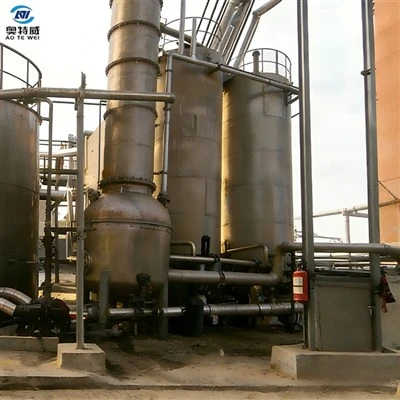
I’ve been in this industry for years, talking to refiners every day, and I can tell you that hydrogen isn’t just a “component” of refining—it’s the glue that holds a lot of the process together. It turns crude into usable products, keeps the air clean, boosts profits, and lets refiners adapt to new rules and demand. If you’re looking to upgrade your hydrogen systems, troubleshoot a hydrogen unit, or just figure out how to make your hydrogen process more efficient, reach out to us to connect and discuss your needs. We’re here to help you make hydrogen work for your plant.
Refining Plant References
- American Petroleum Institute. (2022). The Role of Hydrogen in Modern Refining Operations. API Publication 4267.
- U.S. Energy Information Administration. (2023). Hydrogen Use in Petroleum Refineries. EIA Annual Energy Outlook.
- International Energy Agency. (2022). Hydrogen in Refining: Current Status and Future Opportunities. IEA Clean Coal Centre Report.
- National Petrochemical & Refiners Association. (2021). Low-Sulfur Fuel Compliance: The Critical Role of Hydroprocessing. NPRA Technical Bulletin.
- Global Hydrogen Council. (2023). Green Hydrogen Adoption in Refineries: Case Studies and Market Trends. Hydrogen Council Industry Brief.
Shangqiu Aotewei Environmental Protection Equipment Co., Ltd.
Shangqiu Aotewei Environmental Protection Equipment Co., Ltd. is one of the most professional refining plant manufacturers and suppliers in China, also supports customized service. Please feel free to buy CE approved refining plant at competitive price from our factory. Welcome to contact us for pricelist.
Address: No.88 Longhai Road, Liangyuan District, Shangqiu City, Henan Province, China
E-mail: colin@henanpower.com.cn
WebSite: https://www.aoteweitech.com/
