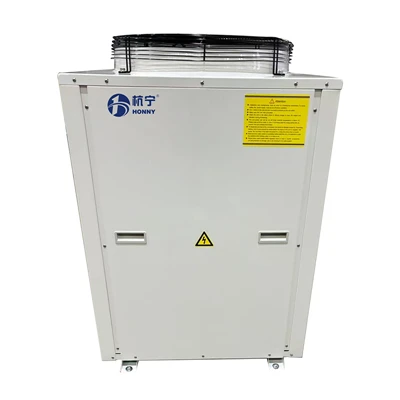
Hey there! If you’re running a commercial kitchen, grocery store, or any business that relies on fridges and freezers to keep things cool, you’ve probably wondered lately: what’s the deal with refrigerant rules these days? Let’s be real—this stuff isn’t just a “set it and forget it” part of your setup anymore. As someone who’s been supplying commercial refrigeration units for over a decade now, I’ve seen first-hand how fast the regulations around refrigerants have shifted, and trust me—ignorance here can cost you big time. Think fines, inefficient units, even safety risks for your team. Commercial Refrigeration Unit
First, let’s break down why all this is happening. Back in the day, old-school refrigerants like CFCs and HCFCs were all the rage, but we soon found out they’re total ozone destroyers. The Montreal Protocol (way back in the 80s) was the first big global push to phase those out, and now we’re on to hydrofluorocarbons (HFCs)—but even those have a high global warming potential (GWP), which is a big no-no for climate goals. The EPA and other bodies across the globe have been tightening rules left and right, and if you’re a business owner, those rules apply directly to your commercial refrigeration setup, not just the big manufacturers.
Let’s start with the basics: what counts as commercial refrigeration here? We’re talking walk-in coolers, reach-in fridges, display cases for grocery stores or cafes, ice machines, and even large industrial cold storage units. If it’s for your business, not a home fridge, you’re in this boat.
First major rule: Phasing out high-GWP HFCs. In the U.S., the EPA’s Significant New Alternatives Policy (SNAP) program is the one calling the shots here. For new commercial refrigeration units, any refrigerant used has to be on the SNAP “acceptable” list. A few years back, they started cutting off the highest-GWP options—like R-404A, which was super common for walk-ins but has a GWP of 3,922. That means for every pound of it leaked, it’s equivalent to 3,922 pounds of CO2 over 100 years. The EPA basically said, “You can’t use that in new units anymore” unless you have a really specific exemption (like for some hard-to-replace industrial setups).
Wait, but what if you already have units with R-404A? Don’t panic—most rules don’t force you to rip out your existing equipment. They focus on new units and top-offs (adding refrigerant to old units when they leak). For top-offs, if your old refrigerant is being phased out, you might have to use a lower-GWP alternative, but only if it’s compatible with your unit. I’ve had customers come to me panicking because their old walk-in had a leak, and the technician tried to add R-404A, only to get a notice that it’s not allowed in our region for top-offs anymore. That’s where a good supplier comes in—we can help you pick the right replacement, not just guess.
Then there’s leak detection and repair. This is a big one that a lot of business owners sleep on. For any commercial refrigeration unit that uses more than 50 pounds of refrigerant, you have to do leak inspections regularly. How often? Depends on your region, but in the U.S., EPA says if your unit’s GWP is over 500, inspections are every 3 months, and if it’s under 500, it’s every 12 months. Wait, why does that matter? If you leak a lot of refrigerant, that’s not just bad for the planet—it’s also a safety hazard. Refrigerants can displace air in small spaces (like a walk-in cooler with bad ventilation) and cause someone to pass out. Plus, if you don’t fix leaks, you’re just wasting money on extra energy to keep things cool, and you could get fined—EPA fines for unreported leaks can hit up to $37,500 per day, per violation. Yeah, that’s not chump change.
Oh, and there’s the issue of refrigerant handling. You can’t just buy refrigerant off Amazon and have your part-time employee top off a leak anymore. Technicians working on commercial refrigeration have to be certified—EPA Section 608 in the U.S. That’s the rule: any person who services, repairs, or disposes of a unit with refrigerant has to have at least a Type 1 certification (for small appliances) but Type 2 or Universal for commercial stuff. I’ve seen a few small café owners try to save a buck by having their line cook add a little refrigerant, only to get a fine when an inspector caught them. Don’t do that—certification isn’t just a hoop to jump through; it means the person working on your unit knows how to handle refrigerant safely, avoid leaks, and dispose of old stuff properly.
Now, what about the new refrigerants we’re supposed to use instead of the old high-GWP ones? A lot of people ask me: “Do these work as well?” Let’s be real—some are a game-changer, others have a learning curve. The most common right now is R-452A, which is a replacement for R-404A. It has a GWP of 2,140, which is way lower, and it works with most existing R-404A units without a major overhaul. But it’s not perfect—you can’t mix it with R-404A, so if you have a leak, you can’t just add a little of both. Then there are even newer ones, like R-513A, which has a GWP of 573, way lower, but it’s only for new units, not old retrofits. And don’t forget natural refrigerants—like CO2 (R-744) or propane (R-290). These have GWP of 1 or almost zero, which is awesome for the planet, but they’re flammable, so you have to design units specifically for them. That’s a big thing: natural refrigerants aren’t for every setup, and trying to use a standard unit with propane is a safety no-no.
I’ve seen a lot of suppliers push natural refrigerants as the “only solution” right now, but that’s not the case. Your choice depends on your space, your budget, your existing equipment, and the local rules. For example, if you’re a small grocery store in a hot climate, R-513A might be the most efficient option, but if you’re a warehouse with big cold storage, CO2 secondary systems might make more sense. The worst thing you can do is jump into a refrigerant because it’s trendy without checking if it fits your setup.
Another rule I should mention: refrigerant reporting. The EPA requires you to report any “significant refrigerant emissions”—that means if you leak more than 10 pounds of refrigerant in a year, or more than 5% of the total charge in your unit. You have to keep records of all leaks, repairs, and refrigerant purchases. So if you’re buying 10 pounds of R-404A one month, that’s a red flag—you probably have a big leak that you need to fix, not just keep topping off. I always tell my customers to track their refrigerant use—It’s a quick way to spot issues before they turn into fines or broken units.
Wait, what about global rules, not just the U.S.? If you’re operating internationally, things get even more specific. The EU’s F-Gas Regulation is way stricter—they’re phasing out HFCs entirely by 2050, and some refrigerants are already banned in new units. In Australia, they have similar SNAP-style rules, and in Canada, the National Energy Code sets standards for refrigerant efficiency. No matter where you are, you can’t ignore these—if you’re exporting equipment or buying units from overseas, you have to make sure they meet the destination’s rules.
Now, let’s talk mistakes I see businesses make all the time. First: assuming “it’s just a fridge” so the rules don’t apply. I had a customer last year who owned a small chain of delis—they had a 10-year-old reach-in display case with R-404A. They didn’t think to check if that refrigerant was still allowed for top-offs, and when their technician added a little, the EPA inspector flagged them. They ended up having to replace the unit’s refrigerant circuit, which cost them $3,000, instead of the $200 they thought they’d spend. Second: buying cheap uncertified refrigerant. Some sketchy suppliers sell refrigerant that’s actually a mix of old HFCs and new ones, which can damage your unit or get you in trouble with authorities. Stick to reputable suppliers—like the ones you’d find through a licensed HVAC company or a commercial refrigeration provider. Third: skipping leak inspections. I had another customer who had a walk-in cooler that leaked 20 pounds of refrigerant a year because they never checked it. When the inspector showed up, they got a $15,000 fine, plus their energy bill went up 25% because the unit was working overtime to stay cold.
So, what does this mean for you as a business owner? If you’re buying a new commercial refrigeration unit, work with a supplier that knows the current rules. A good supplier will ask you questions: where’s the unit going? Do you have existing equipment you need to retrofit? What’s your budget? They won’t just sell you the cheapest unit or the trendiest refrigerant—they’ll help you pick something that’s compliant, efficient, and safe. For existing units, if you’re dealing with a leak, don’t just call the first technician you find. Ask if they’re EPA-certified, and if the refrigerant they’re suggesting is allowed in your area.
Wait, let’s wrap this up with a quick checklist to make sure you’re on the right side of the rules:
- Confirm all your commercial refrigeration units use a refrigerant approved by your local regulatory body (EPA in U.S., F-Gas in EU, etc.).
- Keep track of refrigerant purchases and leaks—if you’re going through more than 5% of your unit’s charge a year, fix the leak, not just top it off.
- Only hire certified technicians to work on your units—no line workers allowed for refrigerant service.
- Schedule regular leak inspections, even if the rules don’t require it. It’ll save you money in the long run.
At the end of the day, these regulations aren’t just red tape—they’re meant to protect the planet, your business’s bottom line, and your team’s safety. I’ve been in this game long enough to know that the businesses that stay on top of these rules are the ones that don’t get stuck with surprise fines, broken equipment, or expensive retrofits.
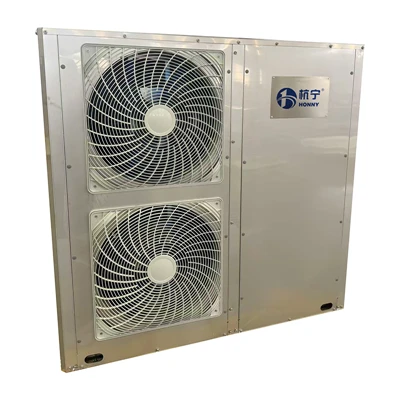
If you’re not sure if your current setup is compliant, or if you’re looking to replace old units with new, rule-friendly ones, reach out to us to connect with our team. We can walk you through the latest regulations in your area, help you pick the right refrigerant and unit for your space, and even schedule a quick check-up to make sure your existing equipment is up to snuff. Don’t wait until an inspector knocks on your door—be proactive, and you’ll avoid a lot of headaches down the line.
Ice Bath Machine Reference list:
- U.S. Environmental Protection Agency. (2024). "Significant New Alternatives Policy (SNAP) Program: Refrigerant Rules for Commercial Refrigeration."
- European Commission. (2023). "F-Gas Regulation: Phase-Down of High-GWP Refrigerants for Commercial Equipment."
- Air Conditioning, Heating, and Refrigeration Institute (AHRI). (2024). "Guidelines for Refrigerant Handling and Leak Management in Commercial Refrigeration."
- Government of Canada. (2023). "National Energy Code for Buildings: Refrigerant Efficiency Requirements for Commercial Units."
- Australian Department of Climate Change, Energy, the Environment and Water. (2024). "Ozone Protection and Synthetic Greenhouse Gas Management Act: Commercial Refrigerant Regulations."
Hangzhou Honny Heat Energy Technology Co., Ltd.
We are one of the most experienced commercial refrigeration unit manufacturers and suppliers in China. With a professional production team, we are able to meet the needs of the majority of our customers. Please feel free to wholesale customized commercial refrigeration unit from our factory. Also, quotation is available.
Address: Dingshan Village, Wenyan Subdistrict, Xiaoshan District, Hangzhou City, Zhejiang Province
E-mail: 524435406@qq.com
WebSite: https://www.hnrnkj.com/
