If you’ve ever stood next to a truck idling at a stoplight on a hot summer day, you’ve felt that thick, warm air blasting out its exhaust pipe. That’s wasted energy—energy that’s literally being poured into the atmosphere instead of put to work. As someone who’s spent the last 8 years building and supplying exhaust heat recovery systems (EHRS) for fleets, industrial plants, and even big rigs, I get it: a lot of folks ask me, “Do these things really need regular inspections? They’re just metal and pipes, right?” Let me cut through the confusion here. No, they’re not. And skipping those check-ins isn’t just a “maybe it’ll be fine” situation—it’s a risk to your wallet, your equipment, and even your bottom line. Exhaust Heat Recovery System
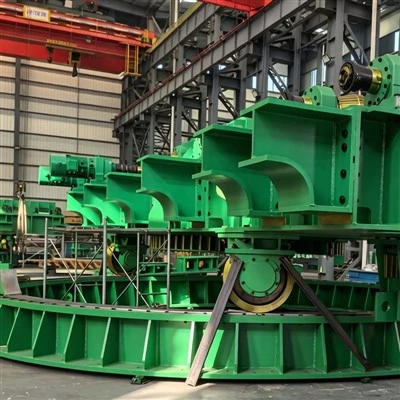
First, let’s break down what an EHRS does, because that core function is exactly why inspections matter. These systems capture the excess heat from exhaust gases that would otherwise escape into the air, then convert that heat into usable power—think auxiliary electricity for a semi’s cab when the engine’s idling, or preheating water for a manufacturing plant’s process lines, or even supplemental power for a generator set. To do that, they have to handle extreme conditions: exhaust gases can hit 1,200°F (that’s hotter than most pizza ovens), constant vibration from engines or turbines, and the gunk that builds up over time—carbon, soot, moisture, even corrosive compounds from low-quality fuel. None of that stuff is gentle, and ignoring wear and tear is like letting your car’s tires go unrotated until they blow out: it’s not a matter of if, but when.
I’ve seen too many clients skip inspections and end up with avoidable headaches. A long-haul truck fleet I worked with a couple years back saved $1,200 a month on inspection costs… until one of their EHRS heat exchangers sprung a leak. The leak let exhaust gases seep into the auxiliary power unit’s coolant line, corroding hoses and shorting out wiring. The repair bill? $18,000. Plus, the truck was out of service for 10 days, missing 12 loads and costing them an extra $2,500 in overtime to cover the routes. That’s a $19,500 loss for skipping three $400 annual inspections. I can already hear the pushback: “That’s an anomaly, right?” No. It’s a common pattern because EHRS are easy to set and forget—until something goes wrong.
Let’s talk about the specific issues that inspections catch, because they’re not just “checking bolts.” First, heat exchanger fouling. That’s when soot and carbon build up on the tubes that carry hot exhaust, acting like an insulator. If the tubes are covered in gunk, the EHRS can’t capture as much heat, so you’re wasting fuel and losing the power you paid for. A client in a food processing plant once told me their EHRS was only operating at 65% efficiency, costing them $3,000 a month in extra natural gas. A 90-minute inspection revealed fouling, a quick cleaning, and suddenly they were back to 92% efficiency. That’s a $36,000 annual gain, all from a single check-in. Wait—you might think you’d notice lower output, but fouling creeps up slowly. By the time you feel a difference, you’ve already been wasting money for months.
Next, corrosion. Exhaust gases have sulfur, nitrogen, and moisture—all a recipe for rust, especially if your EHRS runs in environments with temperature swings, like a semi that goes from Texas heat to a Canadian winter. I’ve seen systems where a tiny pinhole in a heat exchanger, no bigger than a pin, turned into a 2-inch crack over 6 months. That not only leaks exhaust (a hidden risk for operators, by the way—carbon monoxide seepage isn’t something to mess with) but also lets the hot exhaust burn through adjacent pipes, leading to more damage. Inspections use ultrasound and pressure tests to find those tiny pinholes before they blow up. Last year, a logging company using our EHRS on their power generators skipped a year of checks, and their heat exchanger ruptured at 2 a.m. during a job. They had to shut down operations for 3 days, delaying timber delivery and incurring a $50,000 penalty with their client. A $500 inspection would’ve caught the corrosion before it caused that.
Vibration damage is another big one, especially for mobile systems like truck or ship-mounted EHRS. Every time an engine revves, every time a ship hits a wave, the pipes and connections shake. Over time, that loosens flanges, cracks welds, and wears down gaskets. I once had a client with a fleet of 20 rigs—they said their EHRS were “running fine” until 3 of them had exhaust leaks that set off the truck’s check engine light. Turns out, vibration had loosened the exhaust manifold connections. The fix cost $200 per rig, but if they’d skipped the check, they could’ve had a manifold failure that would’ve cost $3,000 per rig and a week of downtime each. Inspections tighten those connections and replace worn gaskets before they fail—small, cheap fixes that prevent huge ones.
Now, you might be thinking, “What about newer systems? Do I still need inspections?” Even brand-new EHRS aren’t immune. Factory defects, shipping damage, or improper installation are common issues that inspections catch early. A manufacturing plant ordered a new EHRS last year, and when we inspected it before startup, we found a misaligned heat exchanger tube that would’ve reduced efficiency by 15%. If they’d skipped that pre-start check, they would’ve lost thousands in fuel costs before they even got the system up and running. Plus, manufacturers typically require regular inspections to keep warranties valid—skip them, and you could be on the hook for any repairs that go wrong. I’ve seen a client whose EHRS warranty was voided because they didn’t get annual checks; a $10,000 repair turned into a $10,000 bill, instead of being covered.
Wait, let’s get into the “why” beyond just cost. Exhaust heat recovery systems are a big part of going green—capturing wasted energy reduces fuel use and cuts emissions. If your EHRS is broken or inefficient, you’re not just wasting money, you’re missing out on sustainability goals that could get you tax breaks or qualify you for green certifications. A few years back, a trucking company I work with qualified for a $50,000 EPA grant for upgrading their fleet’s EHRS, but they had to prove they were maintaining them with regular inspections. If they’d skipped checks, they would’ve lost that grant. That’s a big one that a lot of people overlook—inspections aren’t just for preventing breakdowns, they’re for unlocking extra benefits.
I know, I know—schedule, cost, downtime are all real concerns. You’re busy, you’ve got a lot on your plate. But here’s the thing: inspections don’t have to be a big production. We do most of our inspections in 2 to 4 hours, and we work around your schedule—overnight, on weekends, whatever fits your downtime. For mobile systems like truck EHRS, we can even do the inspections at your yard or terminal, no need to take the system to a shop. The cost? It’s a fraction of what a breakdown costs. I’ve crunched the numbers for dozens of clients: for every $1 you spend on EHRS inspections, you save $10 to $15 in avoidable costs from breakdowns, lost efficiency, and downtime. That’s not a guess, that’s real data from the fleets and plants I work with every day.
Let me be clear: I’m not here to sell you an inspection you don’t need. I’m here to tell you from years in this industry, after fixing dozens of EHRS failures that could’ve been prevented, that skipping inspections is a bad call. These systems are built to last, but they’re not indestructible. They’re exposed to some of the harshest conditions on any piece of industrial equipment, and wear and tear is unavoidable. The only question is: do you want to deal with small, planned maintenance, or big, unplanned bills that put your operations at risk?

If you’re wondering what an inspection for your EHRS would look like, here’s the quick breakdown: we check for fouling in heat exchangers, test for corrosion and leaks, inspect welds and connections for vibration damage, verify sensor functionality (those little sensors that track efficiency can get dirty or misaligned too), and do a full efficiency test to make sure your system is performing as it should. It’s straightforward, thorough, and designed to catch issues before they become problems.
Cold Rolling Equipment At the end of the day, your exhaust heat recovery system is an investment. You spent good money on it to save fuel, cut costs, and reduce emissions. The best way to protect that investment is to make regular inspections part of your maintenance routine. If you’ve got questions about your specific system, want to know what a maintenance schedule would look like, or are ready to book an inspection, don’t hesitate to reach out to our team. We’re here to help you keep your EHRS running at peak efficiency, no surprises, no headaches.
References
- U.S. Environmental Protection Agency. "Exhaust Heat Recovery for Heavy-Duty Vehicles." 2022.
- International Energy Agency. "Waste Heat Recovery in Industrial Applications." 2021.
- Society of Automotive Engineers. "Maintenance Guidelines for Exhaust Heat Recovery Systems." 2020.
- National Renewable Energy Laboratory. "Techno-Economic Analysis of Exhaust Heat Recovery Systems for Commercial Fleets." 2023.
Jiangsu Dongfang Whole-Set Equipment Manufacturing Group Co., Ltd.
We are one of the most professional exhaust heat recovery system manufacturers and suppliers in China, also support customized service. With abundant experience, we warmly welcome you to buy durable exhaust heat recovery system from our factory. If you have any enquiry about pricelist, please feel free to email us.
Address: No. 9, Industrial Park, Xinqiao Town, Jingjiang City, Jiangsu Province
E-mail: dfctwm@163.com
WebSite: https://www.dongfangequip.com/
