If you’re outfitting your boat—whether it’s a center console for weekend fishing or a sleek sailboat for coastal cruises—you’ve probably stumbled upon two types of hardware at some point: “marine grade” and “regular” stuff. At the end of the day, I’m a boat hardware supplier who’s fielded 100+ questions from skippers just like you asking why one costs a little more than the other. Let’s cut through the jargon, skip the corporate nonsense, and break this down like we’re chatting over a cooler of beer at the dock. Boat Hardware
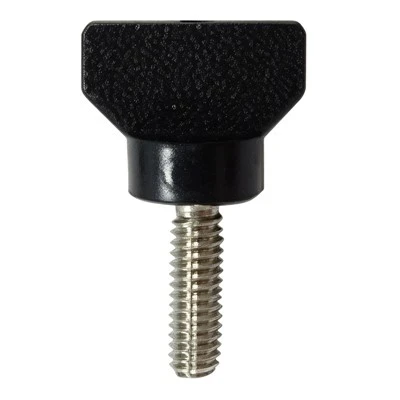
First, let’s get one thing straight: regular hardware ain’t made for saltwater—and saltwater is boat kryptonite. I’ve seen it firsthand. A guy brought in his 22-foot fishing boat last summer, upset that his $10 stainless steel hinges on the transom rusted solid after three months of launching at the inlet. Turned out he’d picked up the cheapest stainless bolts from the local hardware store—you know, the ones labeled “18-8 stainless” that are practically toothpaste stainless for everyday use. That’s regular hardware, and it’s built for drywall, fence gates, and patio furniture—not for being dunked in salt, blasted with wind-driven mist, and exposed to UV rays 24/7. Marine grade? That’s engineered specifically to survive that chaos.
Let’s dive into the science part, because it’s not just a marketing gimmick. Saltwater is a corrosive beast. It’s 3.5% salt by weight, which means it’s loaded with chloride ions—tiny little atoms that eat through metal like acid, especially when there’s oxygen around (hello, every part of your boat that’s exposed to air). Regular hardware, even if it’s labeled “stainless steel,” is almost always 18-8 stainless. That’s a mix of 18% chromium and 8% nickel, and it works great for a coffee mug or a kitchen sink because the chromium forms a thin, self-healing oxide layer that resists rust… until chloride ions show up. The chloride ions punch through that layer, leaving tiny pits in the metal, and once those pits start, corrosion spreads fast. Within a season, what was a smooth, shiny hinge turns brown, crusty, and weak enough to fail mid-launch.
Marine grade stainless? We’re not talking 18-8 here. Most of the stuff we sell is 316 stainless, sometimes called “marine stainless” for a reason. It has the same 18% chromium, but way more nickel (10-14%) and a touch of molybdenum—another metal that acts like a shield against chlorides. That extra molybdenum changes the whole game: it makes the oxide layer way more resistant to saltwater corrosion, even in harsh, splashed areas like cleats, railings, or transom hardware. I’ve had a set of 316 cleats on my own 25-foot sailboat for five years now, and they still look brand new—no rust, no pitting, nothing. Compare that to a buddy who used regular stainless cleats on his same size boat; his were so rusted last year he had to chisel them off.
But marine grade isn’t just stainless steel, right? What about other materials, like aluminum? Regular aluminum for a bike rack or a lawn chair is soft, and it’ll oxidize (that’s the white powdery stuff) in saltwater fast, which weakens it over time. Marine grade aluminum—usually 5052 or 6061 alloys—gets treated with a process called anodizing, which builds up a thick, hard oxide layer on the surface that doesn’t flake off like regular aluminum’s oxidation. I once had a customer who tried using a $10 regular aluminum rail on his bow; it corroded so bad in a month it started to buckle, whereas the marine grade rail we sold him two years ago is still tight and smooth.
Then there’s the build quality. Regular hardware is mass-produced for volume, not durability. Think about the bolts you buy at a big box store: they’re cut from generic bar stock, the threads are a little rough, the finish is thin and can chip if you look at it wrong. Marine grade hardware? It’s precision-machined, often with a polished or passivated finish to seal any tiny gaps where corrosion could start. The threads are uniform, so they seat properly on your boat’s fittings, no cross-threading, no weak spots. Even things like the screws for your deck plates: regular screws have sharp, uneven heads that can let water seep under if the caid isn’t perfect. Marine grade screws have rounded, tapered heads that create a tighter seal, keeping water out where it does the most damage.
Wait, let’s not forget the environmental stuff. Boats sit in sun, wind, and temperature swings that regular hardware never sees. A patio hinge is always in shade, or inside a garage, never baking in 100-degree sun one day and 30-degree cold the next. That thermal expansion and contraction? It’s brutal on metal. Regular hardware might stretch and contract a little, but marine grade materials—especially 316 stainless—have a lower coefficient of expansion, meaning they move less with temperature changes, so they’re less likely to crack, warp, or loosen over time. I’ve seen a guy’s regular steel deck fittings warp so bad in the Florida sun that he had to replace them twice in a year; the marine grade ones I supplied him five years ago are still holding tight.
Now, here’s a common question: is marine grade always way more expensive? Yeah, it’s usually 20-50% pricier than regular hardware, but let’s do the math. Regular hardware might cost you $5 for a set of cleats, but they’ll rust out in a season or two. Marine grade cleats? $15, but they last for 10+ years. Plus, if a fitting fails mid-trip, that’s not just a hassle—it can be dangerous. Imagine a cleat letting go while you’re docking in a windstorm, or a hinge failing on your swim ladder when you’re climbing back in after a swim. The cost of replacing a failed part, plus the time, plus the risk to you and your boat? Marine grade is way cheaper in the long run. I’ve had customers come back after that first mistake, apologizing and saying “I should’ve just gotten the good stuff the first time” because they spent more replacing cheap parts twice.
But wait—can you ever use regular hardware on a boat? I’m not a hardass about this. If you’re storing your boat in a garage, never launching it in saltwater, and only using it on a freshwater lake once a month, regular hardware might work. But even then, I’d caution you: freshwater still has some minerals that can corrode cheap metal over time, and if you ever decide to take your boat out to the coast? That regular stuff is going to turn on you fast. The only time I’d even suggest regular hardware is for non-structural, indoor stuff—like mounting a cup holder inside the cabin or a towel rack in the head. Anything that’s outside, or near water, or part of a structural fitting? Marine grade is non-negotiable.
Another misconception: every “marine grade” label is legit. Let me tell you a trick I use when I’m sourcing parts to sell. Some cut-rate brands slap “marine grade” on regular 18-8 stainless and call it a day. How do you spot the fakes? Check the marking. Real 316 stainless has a stamp that says “316” or “A4” (that’s the European standard for marine grade stainless). 18-8 is usually marked “18-8” or “A2” — that’s the fake stuff. If a part doesn’t have a marking, or the marking is faded, it’s probably not marine grade. I once found a box of “marine grade” bolts at a trade show that had no markings, so I tested a handful in saltwater for a month—they started rusting. I told the vendor to take ’em back, and that’s the kind of lazy garbage we don’t sell.
Let’s talk about real-world examples that I’ve seen. Last year, a customer brought in his 30-foot center console that he uses for offshore fishing. He’d installed regular stainless bolts on his outboard motor’s mounting bracket. After a few trips in rough seas, the vibration plus saltwater corrosion caused the bolts to loosen, and the motor shifted—scratched the transom so bad he had to have it refinished, and almost lost the motor when he hit a wave. We replaced those bolts with 316 marine grade, and he hasn’t had a problem since. On the flip side, a guy who uses his sailboat only in the Great Lakes (freshwater) told me his regular aluminum rail has lasted three years, but he’s noticed some pitting starting, so he’s planning to swap to marine grade aluminum this winter when he’s doing upgrades.
So why does all this matter to you, the boat owner? At the end of the day, your boat is an investment. Whether you’re a casual fisherman, a weekend cruiser, or someone who lives on their boat, the hardware that holds it together, keeps water out, and lets you dock, sail, and fish safely is worth getting right. Cheap regular hardware might seem like a steal at first, but it’s a false economy—you’ll spend more replacing it, more time fixing the damage it causes, and more stress when it fails. Marine grade is built to handle the harsh, unforgiving environment your boat lives in, and it’s designed to last as long as your boat does.
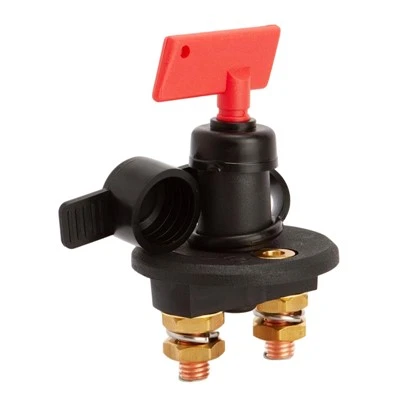
If you’re outfitting a new boat, replacing old hardware, or just have questions about what parts you need for your specific setup—whether it’s cleats, hinges, bolts, railings, or anything else—hit us up for a chat. We’re here to help you pick the right stuff for your boat, no pushy sales talk, no jargon, just straight-up advice from people who’ve been around boats and hardware for years. Don’t let cheap parts ruin your time on the water—let’s make sure your hardware works as hard as you do.
Fishing Equipment References:
- ASPE. (2021). Corrosion of Marine Metals. American Society of Professional Engineers.
- Boat Owners Association of The United States (BOATUS). (2022). Marine Hardware Selection Guide.
- International Organization for Standardization (ISO). (2019). ISO 3506: Mechanical Properties of Corrosion-Resisting Stainless Steel Bolts and Screws for Marine Applications.
- National Association of Corrosion Engineers (NACE). (2020). Chloride Induced Corrosion in Marine Environments.
Pan-U Ind. Co., Ltd.
Pan-U Ind. Co., Ltd. is one of the most professional boat hardware manufacturers and suppliers in Taiwan, also supports customized service. Please feel free to buy bulk ISO certified boat hardware made in Taiwan here from our factory. For quotation, contact us now.
Address: 7th Floor, No.270, Section 1, Fuxing Road, South District, Taichung City, Taiwan
E-mail: jessicahan@panutw.com
WebSite: https://www.panumarine.com/
