If you’ve ever stood on a manufacturing floor, watching a production line hum along turning raw materials into something tangible—say, a plastic bottle, a metal part, or a batch of packaged food—you might notice the big, obvious machines taking center stage: the injection molder shaping the plastic, the CNC mill carving the metal, the filler dosing the snacks. But what you don’t see, tucked in the corners or running quietly behind the scenes, is the auxiliary processing equipment that makes all those main machines work. As someone who’s spent the last 12 years supplying this gear to factories across North America and Europe, I can tell you that auxiliary equipment isn’t “extra” or secondary—it’s the backbone of consistent, efficient production. Let’s break down what it actually is, and why every manufacturer should care about the types that keep their lines running. Auxiliary Processing Equipment
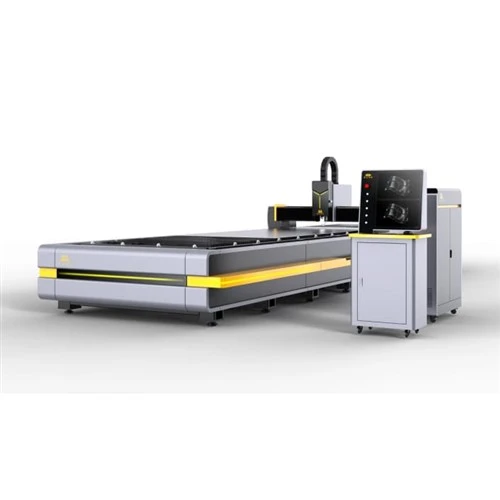
First, let’s get the definition right, because you’d be surprised how many people mix this up. Auxiliary processing equipment (APE) refers to any machine or system that supports, enhances, or enables the core primary production process—no part of it actually creates the finished good on its own, but without it, the primary machine will either run poorly, produce defective parts, or stop entirely. It’s the difference between a worker pouring unheated, dusty resin into an injection molder (which would cause clogs, burnt parts, and 3 hours of downtime to fix) and a system that dries, heats, and feeds that resin smoothly into the machine. APE isn’t just for manufacturing either; it shows up in packaging, food processing, chemical blending, and even 3D printing. It’s the unsung hero that turns inconsistent, messy raw materials into consistent, high-quality products.
Now, let’s talk about the core categories of auxiliary processing equipment, because not all APE is the same—each type serves a specific, non-negotiable purpose. I’ll walk through the most common ones, with real examples of how they show up on factory floors, not just textbook definitions.
First up: material handling and preparation equipment. This is the first stop for almost every raw material before it touches a primary machine. Think about plastic resin pellets, which absorb moisture from the air like a sponge; if you heat wet resin in an injection molder, the moisture turns to steam, leaving tiny bubbles in the final part that make it weak and unusable. That’s where dryers come in—industrial desiccant dryers, specifically, which pull almost all moisture out of resin in a controlled, heated environment. I once had a customer making plastic automotive bumpers who was throwing away 12% of their parts a week because they skipped upgrading their old, inefficient dryer; after we installed a closed-loop desiccant dryer, their defect rate dropped to 0.8%. That’s the kind of impact this equipment has.
Then there are feeders, which move prepared materials from storage to the primary machine accurately. Gravimetric feeders, for example, measure the exact weight of resin being fed, so if a manufacturer needs to mix 90% polypropylene, 8% impact modifier, and 2% colorant, the feeder ensures that ratio is perfect every time—no more off-color parts or weak blends. We also supply conveying systems, which are way better than old-fashioned bucket elevators or manual dumping; pneumatic conveyors use air pressure to move material through sealed pipes, cutting down on dust contamination, reducing worker injury, and eliminating the mess of material spills on the factory floor. One bakery client used to have workers carrying 50-pound bags of flour to mixers, with half the bag spilling by the time they got there; after installing a pneumatic conveyor, they cut flour waste by 70% and saved 2 hours of labor a day.
Next, temperature control equipment. Once the raw material is in the primary machine, or when it’s sitting in molds or tanks, you need to keep it at a precise temperature to get consistent parts. This is where temperature control units (TCUs) come in, which are split into two main types for manufacturing: water-cooled and oil-cooled. For low-temperature applications, like making plastic packaging, a water-cooled TCU is perfect—it circulates cool water through the mold to solidify the plastic evenly, preventing warping. For high-temperature processes, like metal die casting, oil-cooled TCUs are necessary, because water can’t handle the 500°F temperatures needed to keep the die from cracking. I’ve seen too many factories skip TCUs and rely on ambient cooling, leading to mold temperatures that fluctuate 10-15 degrees throughout a shift, which means every 10th part is a reject.
For industries that work with extreme temperatures, like metal processing or petrochemicals, we also supply heat transfer systems and chillers. Chilllers are basically large-scale refrigeration units that can cool water or oil down to near-freezing, which is critical for processes where excess heat can ruin material or damage equipment. A chemical plant I worked with makes liquid detergents, and they needed a chiller to keep the mixing tank at 40°F during the blending process; without that temperature control, the detergent would separate, and they’d have to re-batch the entire 10,000-gallon run. That’s not a minor delay—that’s $20,000 in lost production in one shift.
Third category: part finishing and inspection equipment. Even if the primary machine makes a perfect part, most need some extra work before they’re ready to ship. Auxiliary equipment here handles that secondary processing without slowing down the main line. Deburrers, for example, remove the sharp, excess edges (called burrs) that are left after plastic injection molding or metal machining. We supply vibratory deburrers, which use small ceramic beads and water to tumble parts for 15-30 minutes, leaving them smooth and safe, no manual labor required. For smaller, high-volume parts, like medical device components, we also have rotary deburrers that process thousands of parts an hour, with zero human contact, which is critical for maintaining ISO cleanliness standards.
Inspection equipment is another big one here, and it’s evolved a lot in the last 10 years. Manual inspection is slow and prone to error—one tired worker might miss a tiny crack in a part that leads to a product recall later. That’s why we supply automated vision inspection systems, which use high-resolution cameras and AI to check for defects, wrong color, missing components, or incorrect dimensions in real time. One medical device customer told us that before they installed our vision inspection system, they had 3 false negatives (good parts rejected) and 2 false positives (bad parts shipped) every hour; now they have less than 1 false positive a day, and zero bad parts reaching their clients. That’s not just about reducing waste—it’s about protecting brand reputation and avoiding costly recalls.
Fourth category: waste handling and environmental equipment. This is a type of APE that people often overlook, but it’s become non-negotiable with tightening environmental regulations. Manufacturing produces a lot of waste: scrap plastic, metal shavings, excess raw material, and dust. Waste handling equipment turns that waste into something usable or compliant. For plastic manufacturers, we supply scrap grinders and granulators, which cut up defective parts and off-cuts into small regrind pellets that can be mixed with new resin (usually up to 25%) and fed back into the injection molder. A customer making plastic pallets used to send 40% of their production to a landfill as scrap; after adding granulators and a reclaim system, they now reuse 95% of their scrap, saving $150,000 a year in material costs.
For industries that produce dust, like woodworking, metal machining, or grain processing, dust collection systems are required by OSHA and EPA rules. Explosive dust is a huge safety hazard—wood dust and aluminum dust can ignite with a single spark, so a good dust collection system pulls that dust out of the air before it builds up, filters it, and disposes of it safely. I once visited a small metal shop that had a near-disaster because their old dust collector was full of aluminum shavings; a static spark from a welding torch ignited the dust, and the whole unit caught fire. After we installed a modern, explosion-proof dust collection system, they passed their OSHA inspection on the first try and had zero incidents in 5 years.
Now, let’s talk about why auxiliary processing equipment matters so much right now, especially in a time when manufacturers are dealing with labor shortages, rising energy costs, and pressure to make higher-quality products faster. APE isn’t a one-size-fits-all purchase—you don’t just buy the biggest dryer or feeder and call it good. It needs to be matched to your specific primary process, your raw materials, your production volume, and your quality standards. For example, a small bakery making artisanal bread needs a different conveying system than a large snack factory making 10,000 bags of chips an hour. A medical device maker needs APE that meets strict cleanliness and traceability standards, while an automotive parts maker needs equipment that can run 24/7 with minimal downtime.
I’ve been selling auxiliary processing equipment for long enough to know that the biggest mistake manufacturers make is treating APE as an afterthought. They’ll spend $500,000 on a new injection molder, then skimp $50,000 on a dryer or feeder, only to find that the molder runs at half capacity because the resin isn’t being prepared correctly. Or they’ll skip a dust collection system to save a few thousand dollars, leading to OSHA fines, production shutdowns, or even safety incidents. The right auxiliary equipment doesn’t just support your primary process—it maximizes its efficiency, reduces waste, improves quality, and keeps your workers safe.
If you’re a manufacturing plant manager, maintenance director, or operations lead reading this, you know that downtime costs money—every minute a production line is down costs you in labor, missed deadlines, and lost revenue. I can’t tell you how many times we’ve helped a customer avoid a 8-hour shutdown by replacing a worn-out auxiliary component, like a clogged dryer desiccant or a malfunctioning feeder, before it caused a problem. That’s the value of working with a supplier that understands not just the equipment, but the unique needs of your production line.
If you’re looking to upgrade your auxiliary processing equipment, or you’re dealing with recurring issues like high defect rates, material waste, or production delays, we’d be happy to discuss your specific needs. We work with facilities of all sizes, from small local manufacturers to large multinational corporations, and we tailor every solution to your production goals, budget, and compliance requirements. Whether you need a new dryer for plastic resin, a vision inspection system for medical parts, a waste granulator to cut landfill costs, or a complete auxiliary line to support a new production machine, we’re here to help.
Contact us today to discuss your auxiliary processing equipment needs and get a customized solution for your operation.
Fiber Laser Cutting Machines References
- “Auxiliary Equipment for Manufacturing Processes,” Society of Manufacturing Engineers (SME), 2021.
- “Industrial Dryers and Material Handling Systems: Design and Application,” National Institute for Occupational Safety and Health (NIOSH), 2020.
- “Automated Vision Inspection for Manufacturing Quality Control,” International Organization for Standardization (ISO 13485), 2022.
- “Waste Reduction in Manufacturing: Auxiliary Equipment Solutions,” U.S. Environmental Protection Agency (EPA), 2021.
- “Temperature Control Units for Industrial Processes,” American Society of Mechanical Engineers (ASME B30.20), 2019.
Yongkang City Bohong Intelligent Equipment Co., Ltd.
As one of the most reliable auxiliary processing equipment manufacturers and suppliers in China, we also support customized service. With abundant experience, we warmly welcome you to buy advanced auxiliary processing equipment from our factory. If you have any enquiry about quotation, please feel free to email us.
Address: No. 176 Yinggui North Road, Chengxi New Area, Yongkang City, Zhejiang Province
E-mail: bohonglasertech@Outlook.com
WebSite: https://www.bohonglasertech.com/
