If you’re reading this, chances are you’re knee-deep in the chaos of coordinating a less than container load (LCL) shipment—maybe you booked a box of handmade ceramic mugs for a boutique in Toronto, then got a last-minute email saying that boutique went out of business, and now you need to reroute that entire load to a gift shop in Calgary. Or maybe a supplier in Shanghai delayed a production run, so your LCL pallet of winter coats needs to wait at the port of Busan before heading to your new warehouse in Vancouver instead of the Los Angeles port you initially booked. Whatever the reason, changing the destination of an LCL shipment isn’t as simple as texting your driver to turn left at the next exit. As someone who’s been in the LCL shipping game for over a decade—coordinating 300+ LCL moves a month for small to mid-sized importers and exporters—I’ve seen this exact scenario go from a minor hiccup to a full-on nightmare for clients who don’t understand how LCL differs from FCL (full container load) shipments. Let’s break down exactly how to pull this off, what hurdles you’ll face, and how to avoid the mistakes that’ll cost you time and money. LCL Shipping
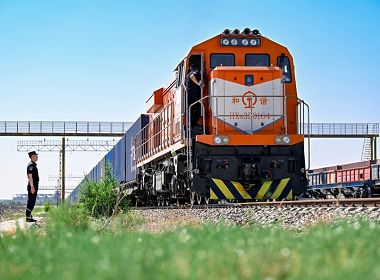
First, let’s clarify why LCL destination changes are trickier than FCL ones. When you book an FCL shipment, you’re renting an entire container—so it’s yours, start to finish, for the most part. You can redirect it mid-voyage, maybe hold it at a port temporarily, or switch ports if your final delivery needs change. But LCL is the shared ride of international shipping: your small pallet or box gets stuffed into a 20-foot or 40-foot container with 5 to 15 other shippers’ cargo, all bound for different ports or final destinations. That container has a single master bill of lading (MBL) issued by the ocean carrier, plus multiple house bills of lading (HBLs) for each individual LCL shipper. When you want to change the destination for your LCL load, you’re not just updating a single container’s final stop—you have to untangle your specific cargo from that shared container, adjust multiple legal and operational documents, coordinate with multiple parties, and pay for any extra fees along the way. It’s not impossible, but it’s not something you can do 24 hours before the container sails, either.
Let’s walk through the step-by-step process of changing your LCL shipment’s destination, based on what I and my team have refined over years of handling these requests. The first rule of LCL destination changes is: act fast. The earlier you reach out, the less likely you are to hit hard deadlines that’ll tank your plans. Here’s how it works, roughly in order.
Step 1: Confirm your shipment’s current stage before you do anything. Before you even call your LCL provider, you need to know where your cargo is and what’s been completed already. If your LCL shipment is still at the origin port’s freight forwarder warehouse, and hasn’t been stuffed into a container yet, this is the easiest scenario—we can swap your booking details and adjust the final port on the HBL without too much hassle. But if your cargo is already stuffed into the container at the origin port, or even worse, has already left the origin port on the ocean vessel, the process gets way more complicated. A lot of shippers make the mistake of assuming “it’s just a small LCL load, so it’s easy to change” when their cargo is already on the water—spoiler: it’s not. For example, last year a client of mine had a pallet of organic skincare heading from Seoul to Seattle, and decided to reroute it to Portland 3 days after the vessel sailed from Busan. That meant we had to submit a destination change request to the carrier, pay a port deviation fee, coordinate with the line’s local agent in Seattle to hold the container (and our client’s specific pallet) while we rearranged the delivery, and get a new HBL issued. That took 10 days extra and cost them $850, which they wouldn’t have paid if they’d requested the change before the vessel sailed. So first, pull up your original booking confirmation or reach out to your LCL provider to get a status update: is cargo at origin warehouse, stuffed, on vessel, or already arrived at the original destination port? That will determine every next step.
Step 2: Submit a formal destination change request (and provide all required details). You can’t just say “hey, I need to send my stuff to Miami instead of Jacksonville” over a quick Slack message. LCL carriers and freight forwarders need official, written requests with specific information to process the change. What do you need to include? First, your original booking number and HBL number—those are non-negotiable; we can’t look up your shipment without them. Second, the exact new destination: not just a city, but the full port code (for ocean destinations) or the exact name of the destination freight forwarder if you’re changing to an inland delivery point, plus any contact information for the receiving party at the new end. Third, a reason for the change. Wait, you might ask—do they really need a reason? Mostly, yes. Carriers and port authorities require a legitimate reason to approve a destination change, so you don’t use LCL redirection as a workaround for something like skipping customs, or avoiding port fees. Common valid reasons are: a last-minute change in your business’s distribution network, a supplier delay that pushes your delivery window, or a client moving their warehouse. Vague requests like “we decided we want it somewhere else” usually get delayed or denied. Fourth, confirmation that you understand all associated fees. This is the part where I always tell clients to read the fine print—destination changes aren’t free, and the fees go up the later you request them. If you’re changing destination before the container is stuffed at origin, fees are usually $150–$300. If you request it after the vessel sails, fees jump to $500–$1,200, plus port deviation fees, rework fees for updating documents, and sometimes storage fees if the carrier has to hold the container longer than planned. If your cargo is already at the original destination port, you’ll pay even more: you’ll need to arrange to pick up your cargo from the port’s bonded warehouse, then send it to the new destination via local courier or inland trucking, plus all the customs fees for re-directing cargo that’s already cleared at the original port. That’s why acting early is the biggest cost-saver here.
Step 3: Coordinate with all parties involved to update documents. LCL shipments are a web of interconnected players, and changing the destination means making sure every piece of that web is updated correctly so your cargo doesn’t get stuck at customs or delivered to the wrong address. First, your freight forwarder (that’s us, in this case) will submit the destination change request to the ocean carrier, who will update the master bill of lading. Then, we’ll revise your house bill of lading—this is the key document that proves your ownership of the LCL cargo, so getting this right is non-negotiable. You’ll also need to update your commercial invoice and packing list, because customs authorities in both the origin and destination countries require these documents to match the final destination details. If you have insurance on your shipment, you also need to notify your insurance provider of the destination change, to make sure your coverage is still valid for the new route. Last year, a small apparel client I worked with skipped updating their insurance after changing destinations, and when their pallet was damaged in transit, the insurance company denied the claim because the policy listed the original port. That’s a $1,200 mistake they could have avoided with a 10-minute call to their insurer.
Step 4: Handle customs and regulatory checks for the new destination. Here’s another big difference between LCL and FCL: when you change the destination of an LCL shipment, your cargo might be in a mixed container, so it has to go through additional customs checks at the new port, depending on the countries involved. For example, if you have LCL cargo moving from Germany to Portugal, and you change the destination to Spain mid-voyage, that’s a cross-border move within the EU, so customs checks are relatively straightforward, but you still need to file a re-routing declaration with EU customs to move cargo from one member state to another. But if you’re changing an LCL shipment from the US to Canada, or from China to Mexico, that’s an international cross-border move with different regulatory requirements, tariffs, and documentation. If your cargo is already in the original destination country, you’ll have to go through customs clearance again at the new location, which can add days to your delivery timeline. I always advise clients to check with their LCL provider’s customs team about any specific regulatory requirements for their new destination, because missing even a small form can lead to your cargo being held at the port for weeks, which is way more expensive than the original change fee.
Now, let’s talk about the biggest mistakes I see people make when trying to change their LCL shipment’s destination, because avoiding these will save you hundreds, even thousands, of dollars. First, waiting until the last minute. I mentioned this earlier, but it’s worth repeating: a destination change requested 7 days before the vessel sails is cheap and easy; requested 2 days before it sails is stressful and expensive; requested after the vessel arrives at the original destination port is often nearly impossible to pull off without major delays. Second, not confirming the availability of your new destination. For example, if you book an LCL destination to a small port in Greece that only has cargo service twice a month, changing your delivery to that port might mean your cargo sits in a warehouse for 2 weeks waiting for the next vessel, which adds storage fees. Always ask your LCL provider if your desired new destination has active LCL service, and what the transit time will be, before you finalize the change. Third, not double-checking all documents after they’re updated. It sounds obvious, but I’ve seen clients get their new HBL, notice the port code is wrong, and realize too late that the cargo was routed to the wrong place, leading to a 3-week delay and $2,000 in extra freight charges. Take 5 minutes to cross-reference the new HBL, commercial invoice, and packing list with your requested details before the cargo leaves the origin port. Fourth, ignoring extra costs beyond the destination change fee. Some clients see a $300 destination change fee and think that’s all they’ll pay, but they forget about inland trucking fees to move the pallet from the original port to the new destination, storage fees at the new port, or even tariffs that might be different for the new destination. Ask your LCL provider for a full, itemized quote of all potential fees before you agree to the change, so there are no surprises.
Let’s end with a real example to make this concrete. Last quarter, a client named Jake, who runs a small specialty food import business, booked an LCL shipment of artisanal olive oil from Spain to Boston, for a total value of $4,200. Two weeks before the vessel was set to sail from Valencia, Jake got an email from his regular grocery partner in New Haven, Connecticut, saying they had a sudden surplus of shelf space and wanted to take the entire shipment instead of the Boston boutique he’d originally planned for. Jake reached out to me immediately, provided his booking number (LCL-BCN-1247) and HBL number (HBL-8921), explained his reason for the change, and asked for a full fee breakdown. Since the cargo was still at the origin warehouse in Valencia, not yet stuffed into the container, we informed him the destination change fee would be $225, plus a $75 adjustment to the inland delivery fee (since New Haven is slightly closer to the port than Boston, so the trucking cost went down). We submitted the request to the ocean carrier, updated all documents, confirmed the new port (New Haven, CT) with customs, and the entire process took 2 business days. The total extra cost was $200 less than he had budgeted, and the shipment arrived on time, with no delays. That’s the kind of outcome you get when you act early, provide all required details, and work with an LCL provider that knows the process.
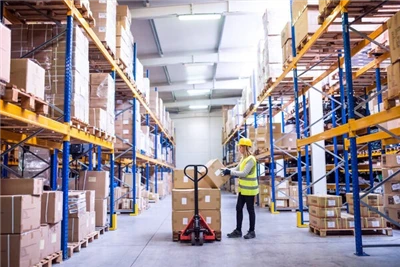
If you’re in the middle of an LCL shipment and need to change your destination, or you’re planning an upcoming move and want to make sure you’re prepared for any last-minute changes, don’t try to navigate this alone. The LCL shipping process is full of small, easily missed details that can turn a simple reroute into a costly headache. Our team handles destination changes for hundreds of LCL shipments every month, and we’ll walk you through every step, provide a transparent, itemized quote upfront, and make sure your cargo is routed correctly without unexpected fees. Whether you’re a first-time importer or a seasoned business owner, we’re here to take the stress out of LCL shipping changes, so you can focus on what matters most: running your business. Reach out to our team today to discuss your specific shipment needs and get tailored guidance for your LCL destination change.
References
Electronic Cigarette Transportation International Chamber of Commerce. (2020). Incoterms 2020: Guidelines for multimodal shipping. ICC Publishing.
Federal Maritime Commission. (2022). LCL Shipment Guidelines: Destination Changes and Associated Fees. FMC Publications.
World Cargo Alliance. (2021). Operational Standards for Shared Container (LCL) Cargo Rerouting. WCA Industry Report.
Shenzhen Yihua Shang Supply Chain Service Management Co., Ltd.
As an experienced international logistics company in China, we are committed to providing high quality lcl shipping service with low price. We warmly welcome you to contact us for more information about the cheap rate lcl shipping service. Also, quotation is available.
Address: 209, Building 61, Third Industrial Zone, Zhongkeng Street, Bantian Street, Longgang District, Shenzhen
E-mail: 3809486307@qq.com
WebSite: https://www.yhs555.com/
